My recorded summary of the portfolio (DRAFT 1 & 2)
AI Topics in 2026
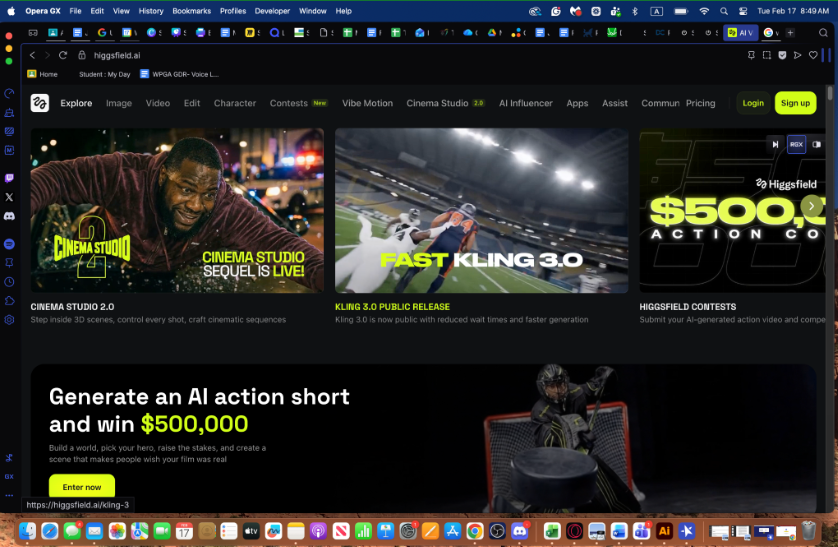
- Higgsfield.ai: The most popular AI video creation website.
This is a website that allows someone to make advanced AI content; it provides access to a wide variety of AI tools such as KLING 3.0 and FLUX .2 for subscription fees.
This website would allow me to create incredibly high quality videos for any school activity or extracurricular I have as long as I pay a subscription fee. Currently, I use it with a group for my entrepreneurship marketing projects. I believe it is practically harmless, at this level of AI generative content, an actual person’s likeness isn’t used frequently, rather AI is used to smooth out transitions, draw a sketch into a video, etc.

Trade Brains Portal: AI assistance for stock portfolio analysis
This website gives you a personalized AI financial advisor for a subscription fee. It can analyze a personal stock portfolio and tell you what your next moves should be. This AI tool is meant to be used on top of your own research, not on its own.
This AI advisor would be useful for an intro to investing, the explanations it provides for predictions in the market based on a personalized portfolio would make it easier for beginners like me to get a good grasp of how the market works. The tool isn’t inherently harmful, however if it is used to replace other forms of research, that would cause many financial issues; it is best to approach the tool with a grain of salt.
napkin.ai: Instant slide generator.
This website uses generative AI to create simple arguments (literary, historical, financial, etc) sorted in an optimal way for a presentation depending on the situation. For example, properly formatted references are instantly generated, something that sets them apart from many other AI tools. Then it generates an assortment of images for you to pick for a final slideshow.
This would be a good starting point for inspiration if anyone is stuck on a prompt, the results are very basic so I don’t see the advantage if you know the topic very well. In my opinion, the visual effects and images generated are the best part, it generates solid charts, visuals, and images in seconds. The tool isn’t harmful for school, the free version isn’t enough for someone to bypass the amount of information the school curriculum wants you to understand. The tool just gives a basic foundation for presentations extremely quickly.
napkin.ai: Instant slide generator.

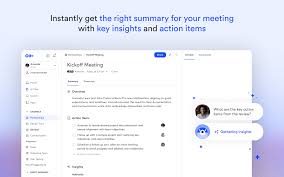
- Otter.ai: AI transcript recorder.
This AI tool acts as a personal assistant, it records meetings and creates a transcript. Then it can analyze that transcript and look for key points.
Although this is more relevant in white collar jobs, it is also very applicable in student life outside of school. Many tutors operate on zoom and other online platforms, so an AI transcript recorder would be great for revising key details in the process of studying. Additionally, clarification after the class would no longer be necessary, thus making learning more efficient as well. This doesn’t pose the same moral problems of cheating like other platforms, however it does pose a security threat if I can listen in on important conversations and track our identity. I believe that this security issue is so prevalent that this AI assistance using it is the least of our security concerns.
- Notion AI: An all in one platform
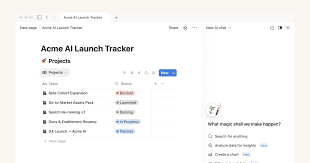
Notion AI is meant to be the complete version of an AI assistant in the office; the generative AI model does most of the work a secretary or assistant would do such as answering questions, summarizing documents, and producing status reports.
In my opinion, this is an amazing tool, especially since it has a free version. The sheer amount of work it can do would be great for any type of business, especially a startup I’m a part of in Entrepreneurship 12. The issue is the loss of many job opportunities, but isn’t a big risk, because the role Notion AI is taking is a very specific one.
Claude.ai is a Large Language Model developed by Anthropic, it specializes in writing and computer science, it’s meant to handle very large and complex written work from fiction to code.
This is a pretty useful tool for programming based on what I’ve heard. I plan to use it in AP Comp Sci A (provided that it’s allowed), and I hope to use it in future projects in entrepreneurship 12. Unfortunately, AI models similar to this one have already put some programming jobs at risk. I believe that although the issue is a big one, it can also help skilled programmers improve and adapt.
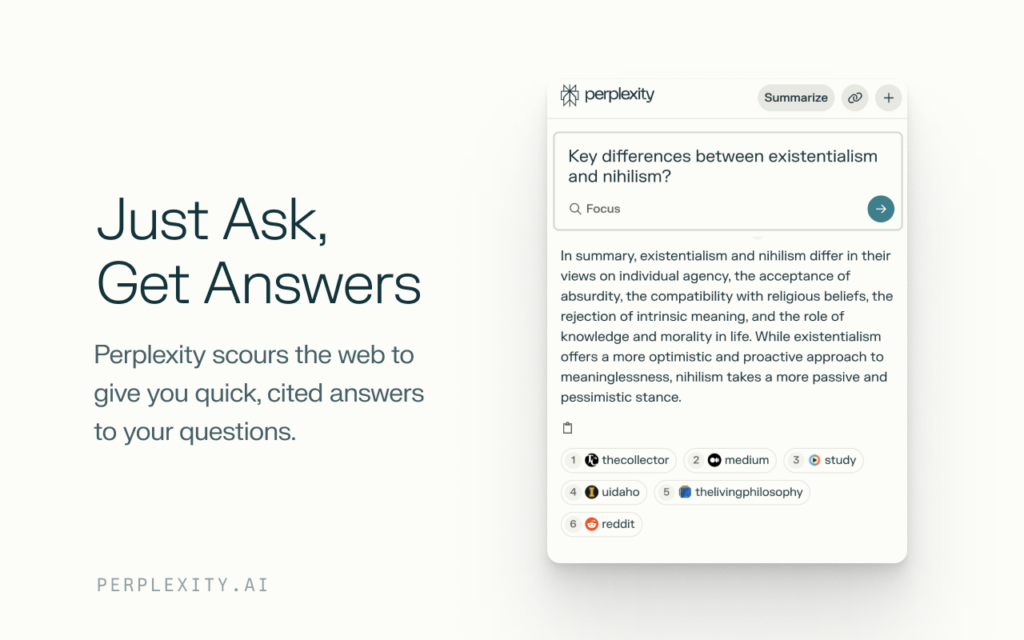
This is a generative AI model that generates responses to any input similar to other models such as ChatGPT and Gemini. It is meant purely for research, purposely lacking conversational abilities and focusing on tangible resources such as automatic citations.
I personally believe that this is superior to other AI models, it’s simply more applicable for anything academic. It would’ve saved me so much time on my Social Studies presentation (as long as it’s allowed). I don’t see a risk other than possibly a data threat, the citations allow me to see if the sources that are used are trustworthy which also improves work productivity.
This AI model specializes in math and science, and operates similarly to other generative LLMs. Its ability to be used as an extension and instantly “solve” any page the user is on is very efficient. The creators claim that the answers it gives are more accurate and concise than other models such as ChatGPT.
Based on my experience, it is very helpful for understanding tough math concepts, and I’ve improved my grade since downloading it. However it also has issues with keeping track of my progress like other AI models would. The main issue posed is the security threat since it can track whatever is on the page, any user just has to be careful what they feed the AI.
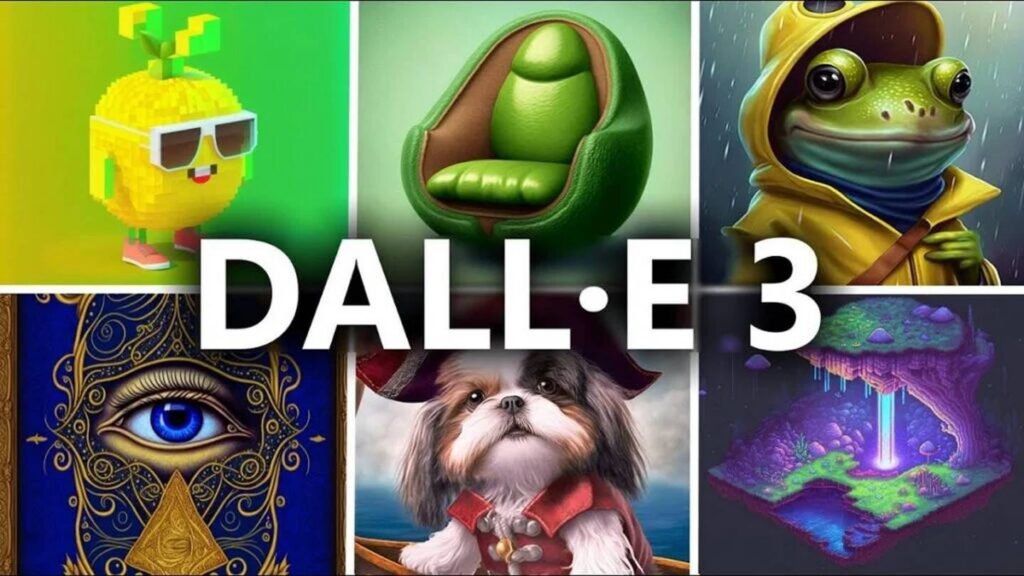
DALL-E AI image generator: ChatGPT for images
Designed by OpenAI, this model is meant to be ChatGPT’s counterpart that generates images. This AI model has a free option and works just like any other image generating AI.
This isn’t very applicable to my life, I used it only twice for very particular image requests, but it is a helpful back up plan. I don’t believe that this poses any issues, it is not nearly as advanced and realistic as other tools (like tools on Higgsfield).
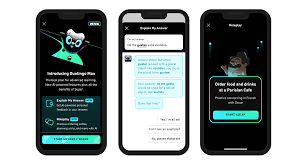
Duolingo BirdBrain (Duolingo algorithim)
Duolingo is an online language tutoring service, recently the company switched to an “AI-first” approach, meaning that the whole service runs mostly on AI. A particular example is Duolingo Max, which simulates real conversations in other languages and analyzes it.
This would be useful for improving in another language, many of the challenges faced when learning a new language is the lack of immersion, this tool supports that transition. I can see some classmates using it to improve their French.
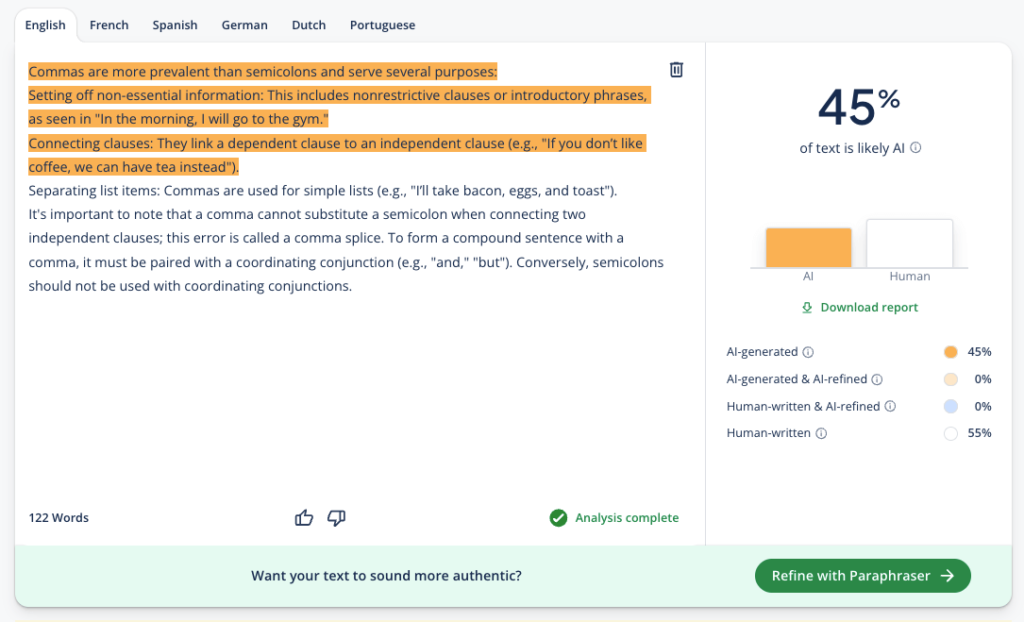
Quillbot AI
Quillbot is an AI model that specializes in fixing details in any literary study. Instead of telling you the idea and points, you fix up grammar, plagiarism, and other errors.
In my opinion this is one of the best tools for school. I rapidly improved my grammar in English class and for the SAT with its help. Unfortunately, this poses great risks for graded english assignments, writing processes and language features are graded and this could easily allow a student to cheat. I believe that instead of fixing the AI, LF and WP should only be learning standards for on paper assignments.
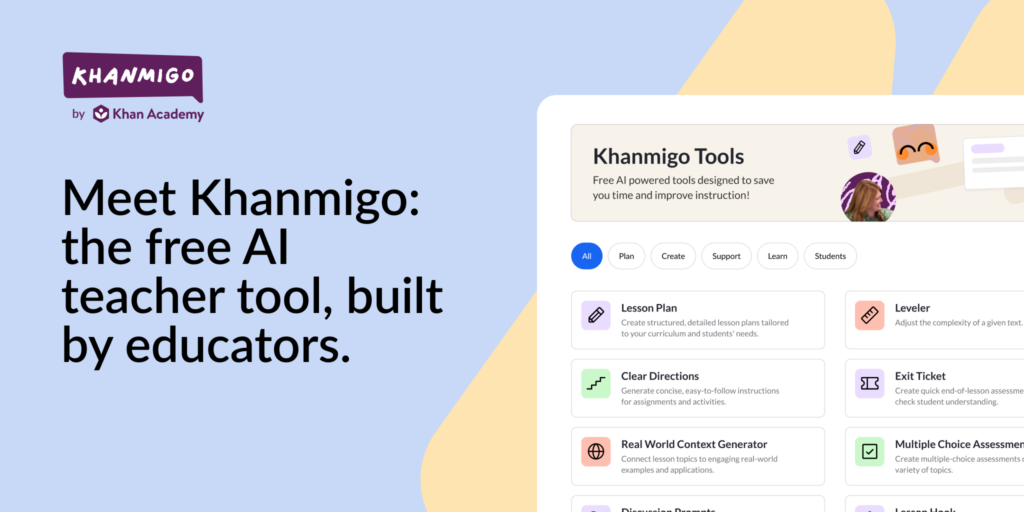
Khanmigo is a personalized generative AI assistant teacher made by Khan Academy. It can assist in every course Khan Academy offers.
This is applicable to any student who wants to keep their options to the USA open, this tool assists based on the typical American curriculum which is very similar to Canada. Personally, this tool is incredibly helpful for studying the SAT. I don’t see how this can pose any major risk, the data stored is relatively minor, it can’t replace actual teaching jobs, and it’s one of the most effective tools for extracurricular studying as a whole.
ElevenLabs is an AI voice generation and narration tool, it simply narrates words inputted with whatever AI voice you choose, and it can clone your voice into an AI version.
I can see myself using this in entrepreneurship 12 or have it as a part of a social media passion project, the tool is very easy to use, the selection is amazing, and it can be used for any narration purpose. I don’t believe this creates many issues; its popularity is based on what people want to watch, and not forced on viewers. On top of that, a person’s likeness isn’t at stake because it’s just a robotic voice.
Quizlet is a personalized study website where teachers and students can upload their courses to study with a variety of tools such as flashcards and practice tests. Quizlet uses AI in their flashcards, personalized chat, and most importantly transforms user uploads into study material.
I believe that it is one of the most relevant AI tools in my life. WPGA uses quizlet a lot for language learning, and I have personally uploaded math homework for review before a test. There isn’t a single issue involved other than a possible security breach, but the data uploaded should be very minor in the grand scheme of things even there was a breach.

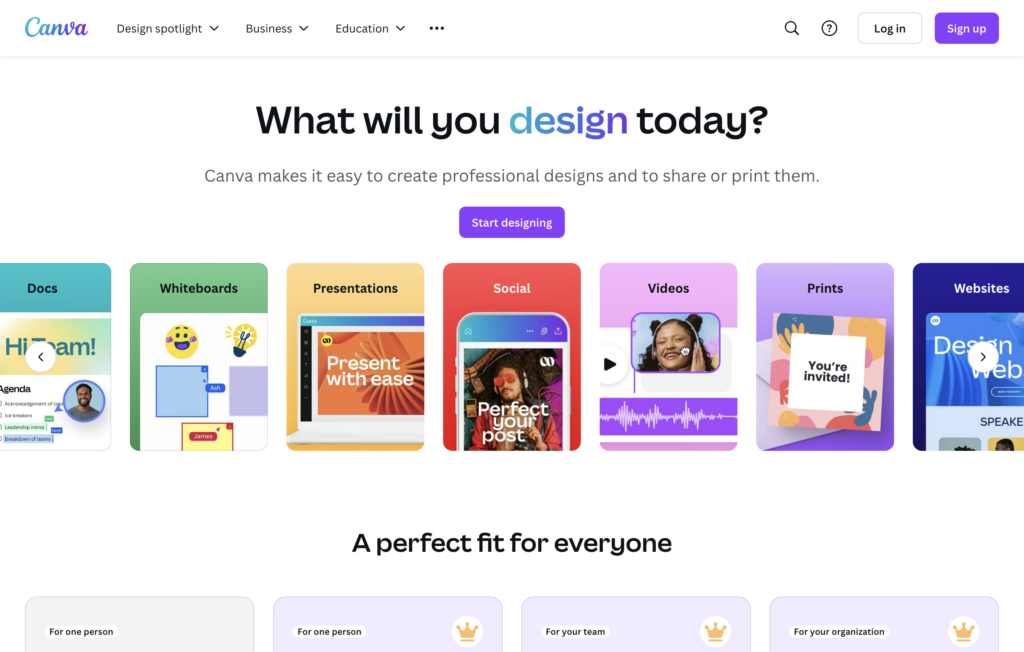
Canva Magic Studio is a space on Canva that allows the user to edit images, generate templates, and create new images with AI.
This is easily one of the most important features on Canva in my opinion. I’ve used this numerous times to crop the background, generate images, and find the perfect template. The all in one nature of this makes it easy to organize and use in comparison to the specialized tools previously mentioned. The risks are the same as the ones posed by Quizlet, minimal security risk and thats it.

Chess.com: AI coaches
Chess.com is the most popular platform for chess as a whole, they incorporate AI by using AI coaches and AI generated feedback/results for a game played. These features are absolutely integral to the platform.
Personally, this is one of the best features on Chess.com after playing it for 2+ years, the feedback and accuracy calculations are incredibly helpful for learning and the coaches are a great way to kill some boredom. There simply aren’t risks posed, identity isn’t on the line, likeness isn’t at risk, and jobs aren’t replaced.
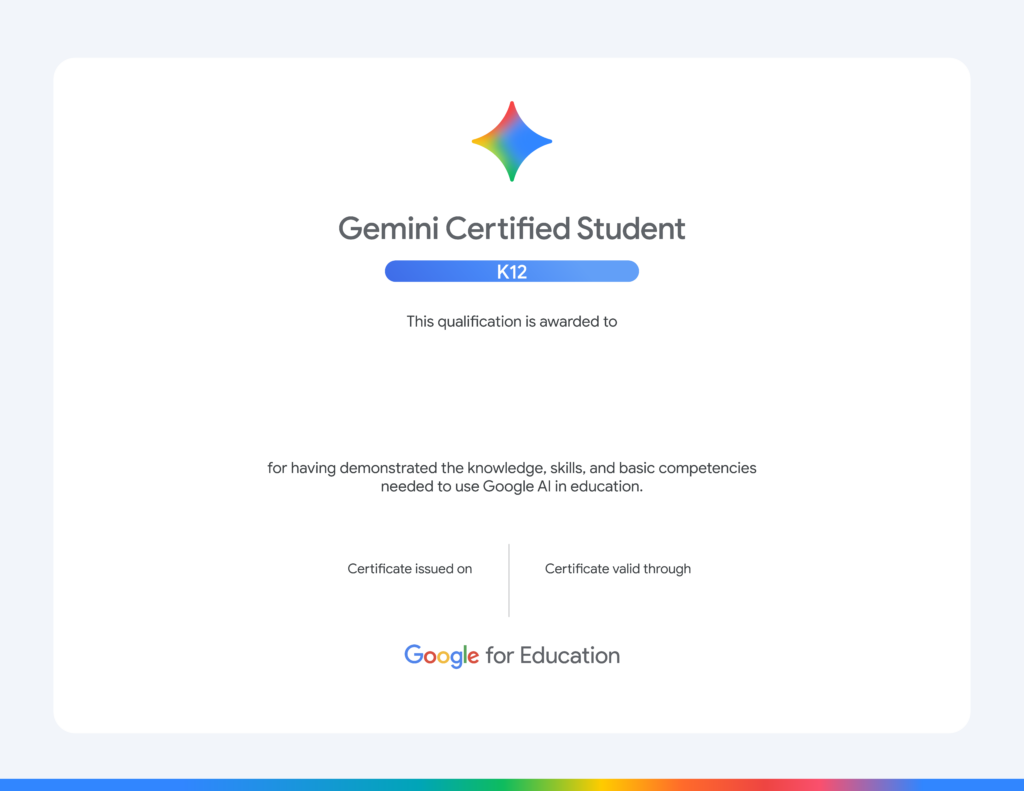
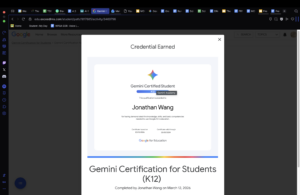
Google gemini certification: Official demonstration of AI skills
This is a test created by Google to have students, teachers, university faculty, and administrators demonstrate proficiency in AI through a learning course similar to the online CPR course.
This was a good way to demonstrate AI proficiency personally to put my skills to the test, this is a key part of this WebDev class. There isn’t any risk other than security, but the pros completely outweigh the cons.
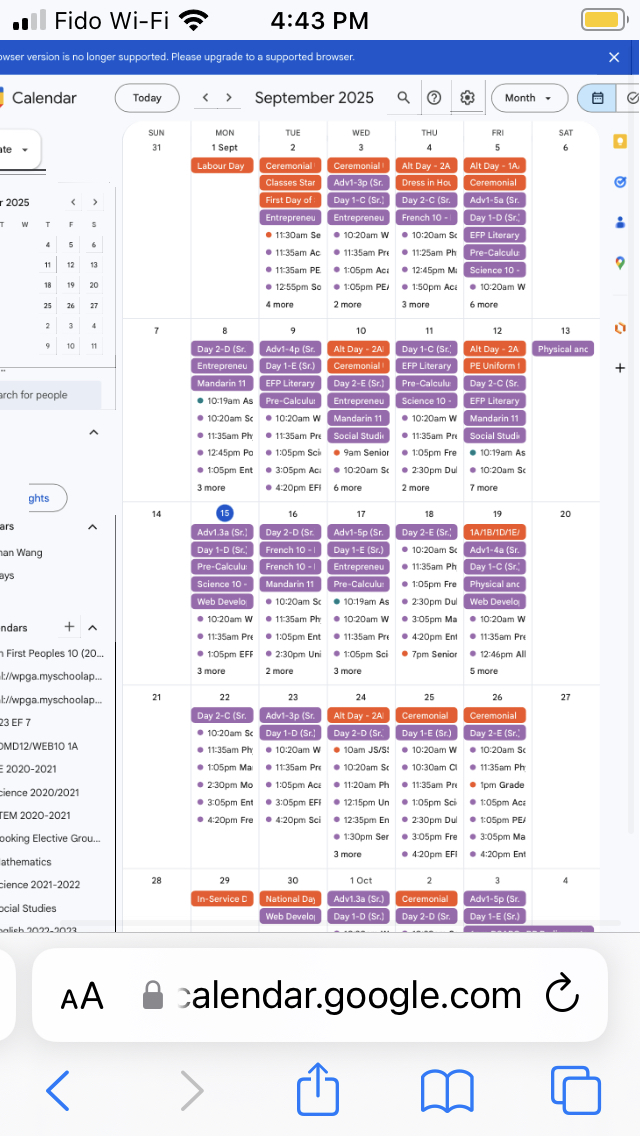
WPGA essential calendar screenshot
NHL prediction unit slideshow
Extending project: