AI Exploration Unit
Help Me Study For An English Test
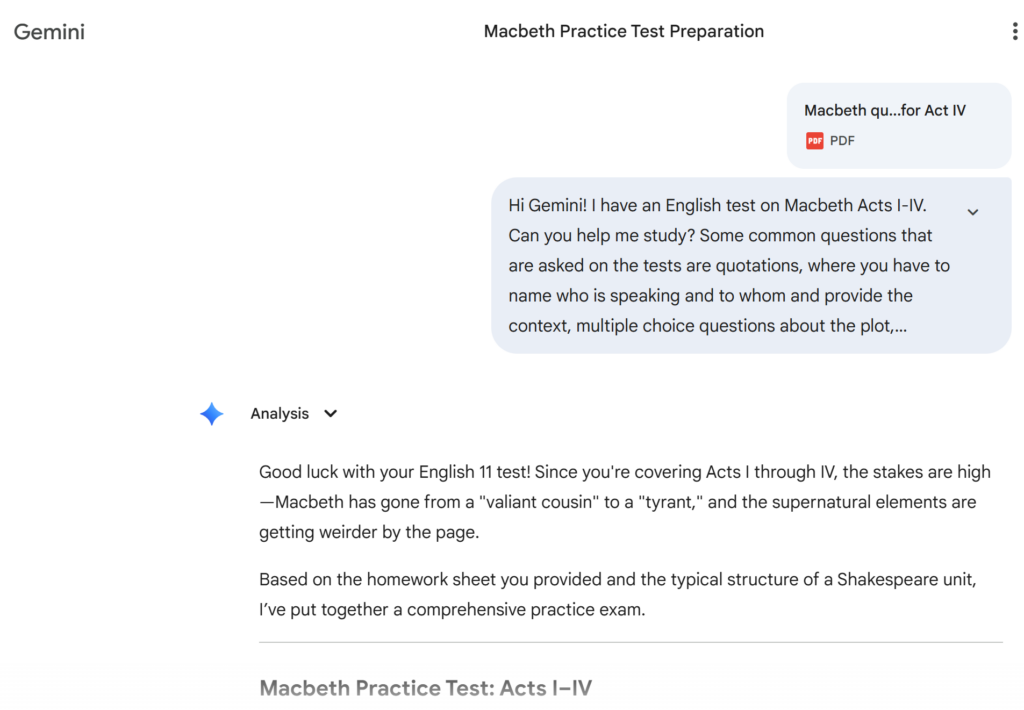
In the image above, I have asked Gemini to create a test with specific question types based on the Macbeth notes sheet which I have attached. When I have 19 pages of notes to study and I’m short on time, AI can help me consolidate my notes and create test-like questions that allow me to check my understanding quickly and comprehensively. This is a great resource to use when there is a high volume of information that you have to learn, or when practice questions aren’t available or you need more. This tool is an example of an ethical use of AI, because it builds upon permitted resources to help people learn better.
Graph A Cosine Function
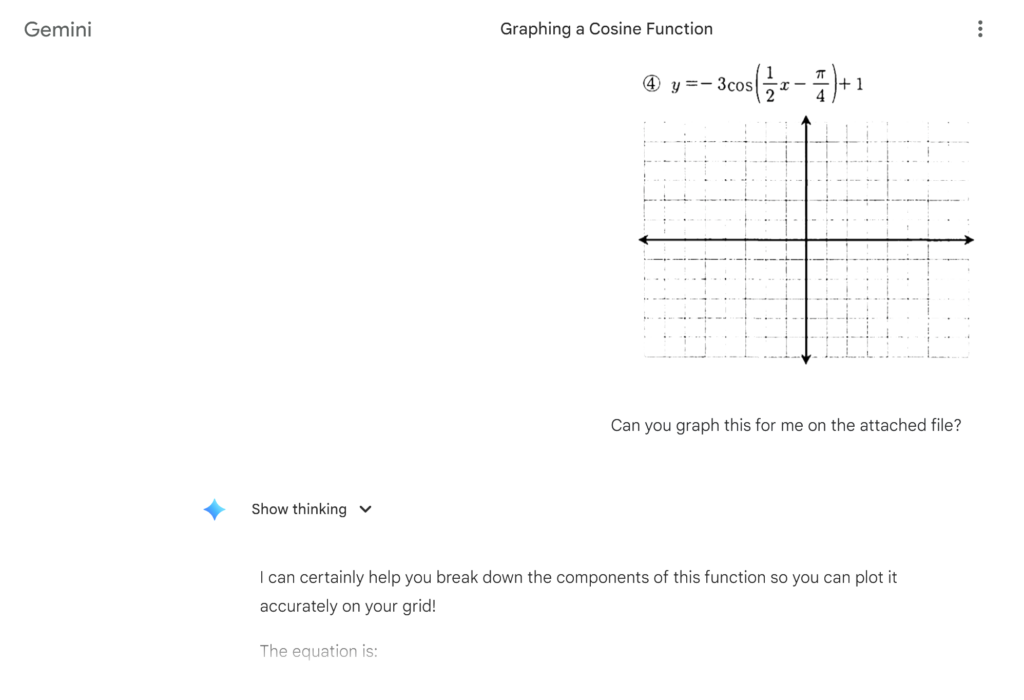
In the image above, I asked Gemini to help me plot a graph from the provided equation. Although there was an answer key for the questions, it only provided the final graph and not the steps in between. Luckily, Gemini was able to explain all of the steps in detail, helping me better understand how the final graph was achieved.
Decode A Macromolecule Diagram For Biology
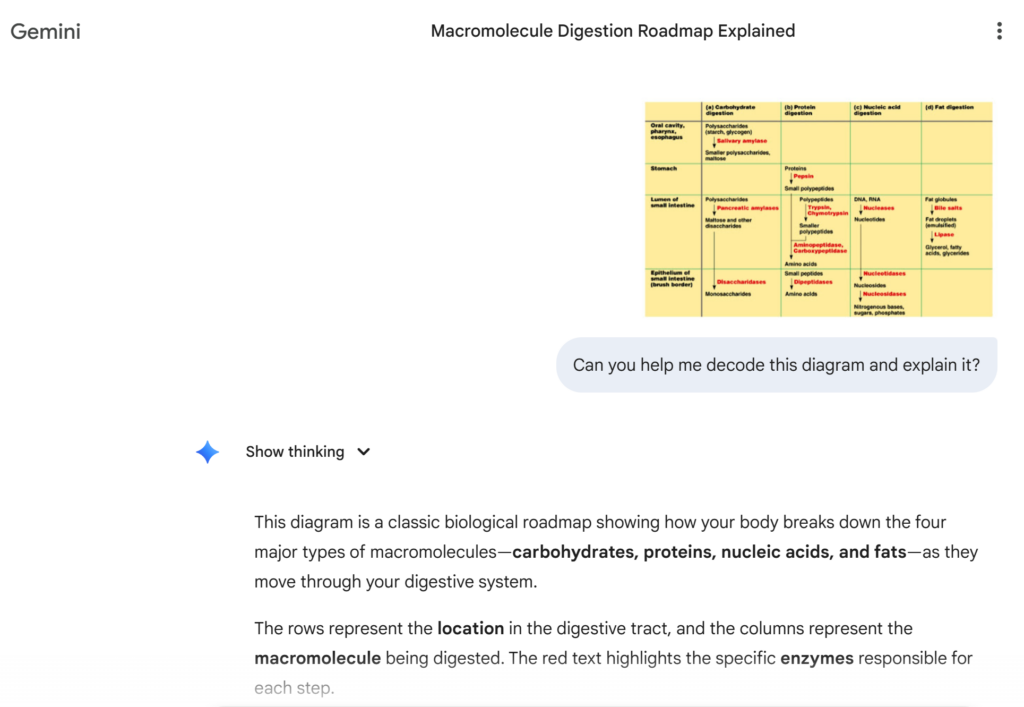
In the image above, I asked Gemini to explain a diagram that was attached to a notes set for Anatomy and Physiology. Gemini explained the different parts of the diagram and defined terms, and also showed the relationship between terms. This helped me understand the concepts better and prepared me for the test.
Explain A Macbeth Quote
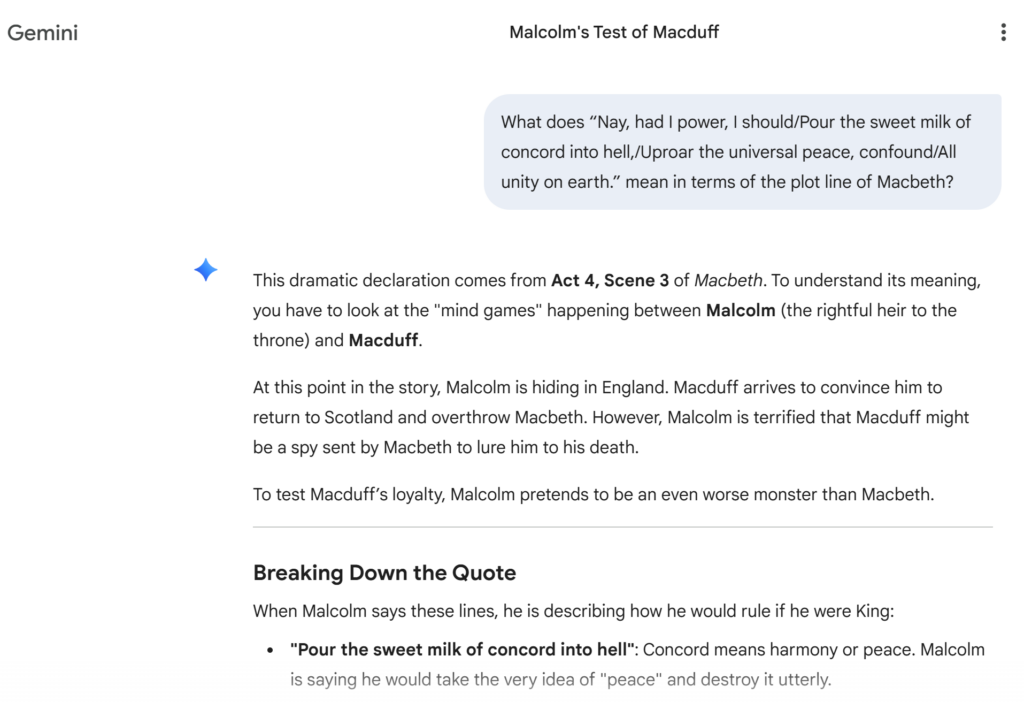
In the image above, I asked Gemini to explain the meaning behind a quote from Macbeth. Gemini defined some of the words in the quote and translated Shakespearean English into language that was more easily understandable. Gemini also explained the metaphors contained within the quote to help my understanding, and connected the quote to similar quotes or ideas in the rest of the book.
Create An Answer Key For This Worksheet
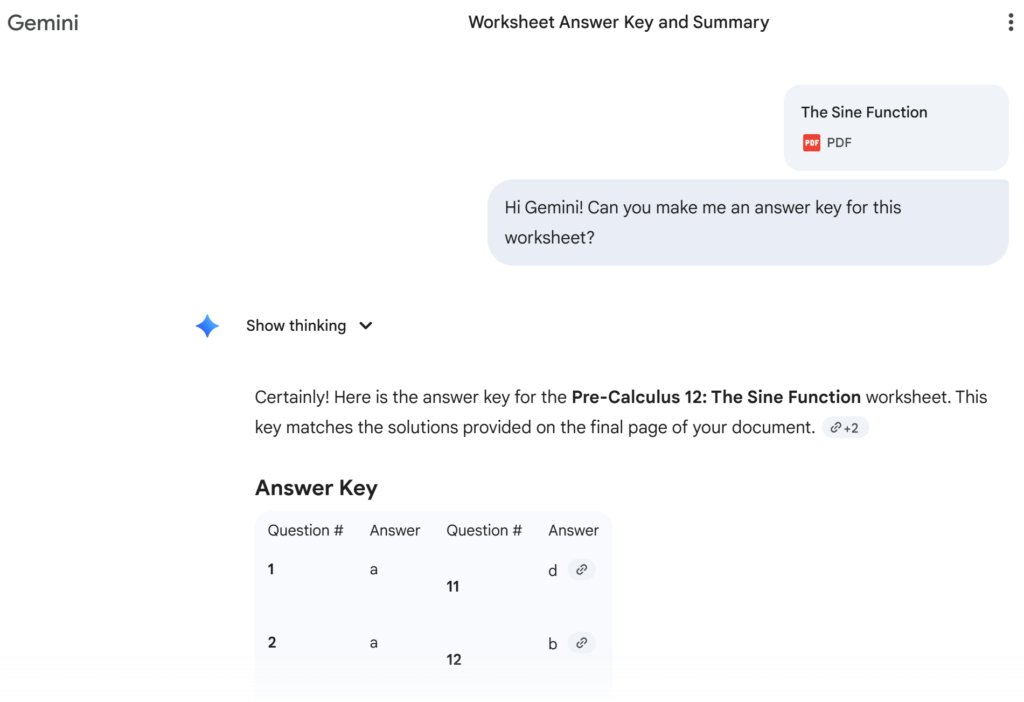
In the image above, I asked Gemini to create an answer key for a worksheet that I attached, as no worksheet was given. Gemini made an answer key and also provided step-by-step equations for more difficult questions upon request. This helped me see where I went wrong on the worksheet and what areas I should focus my studying on.
Critique My Hand-Drawn Diagram For Accuracy
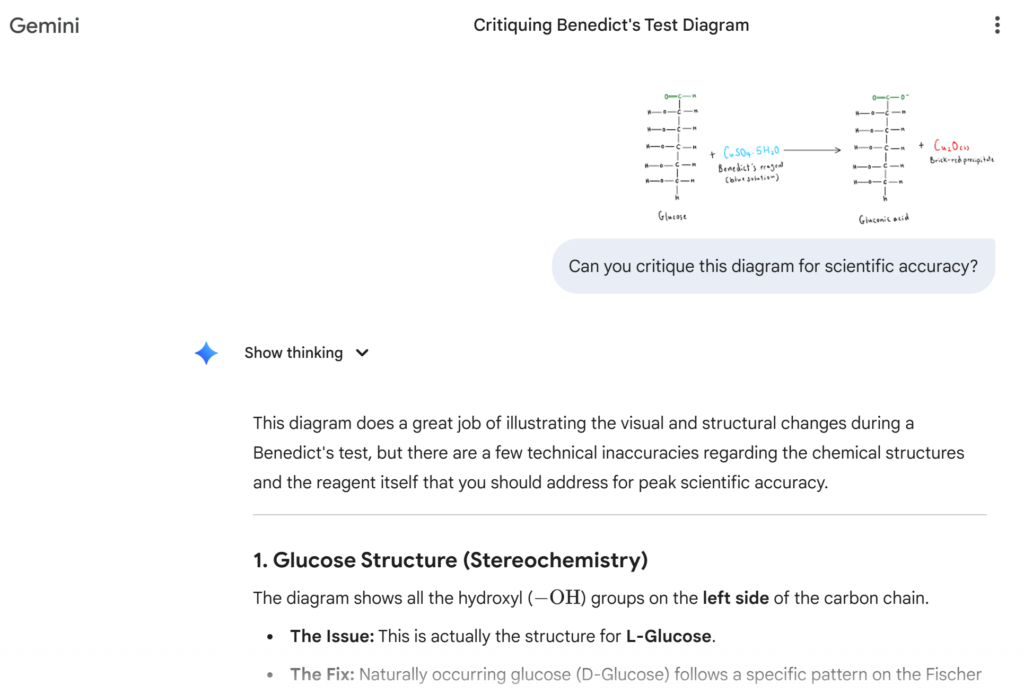
In the image above, I asked Gemini to provide feedback on a diagram I drew to include in a lab report. The diagram was mostly done already, but I wanted to make sure that I got all of the little details right. Gemini suggested changing the orientation of some of the OH– molecules to match the iteration of glucose that we were using in the lab, and refined my definition of Benedict’s solution. This served as a quick and easy way to check and refine my work.
Research Some Potential Pre-Med Majors
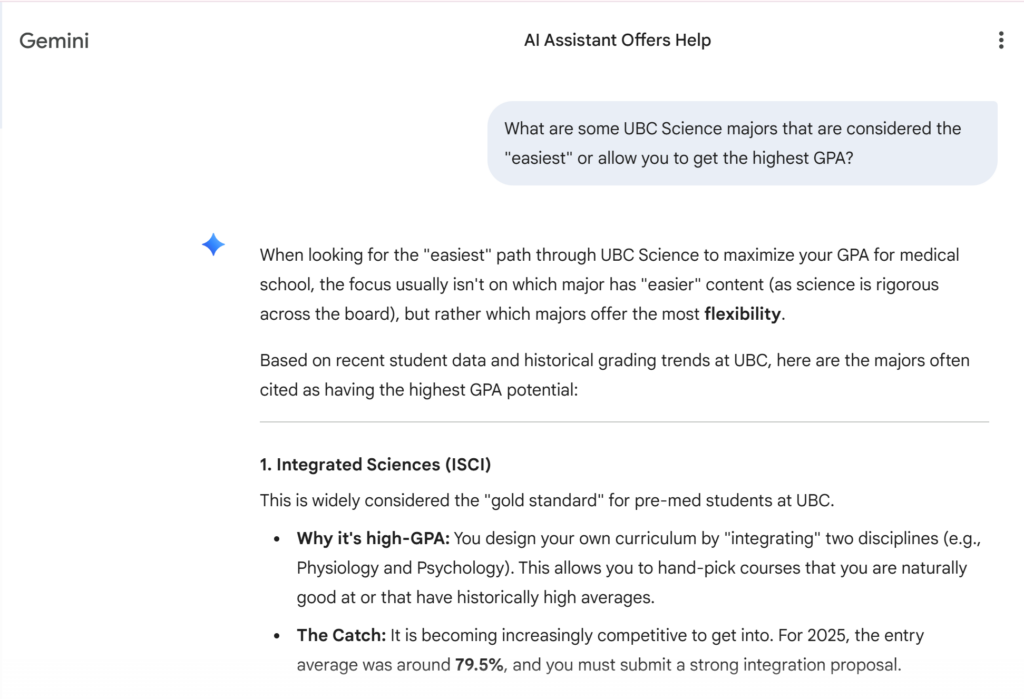
In the image above, I asked Gemini to find out what majors at UBC would allow you to get the highest GPA in order to get into medical school. University websites can often be difficult to navigate, and information can take a long time to find and consolidate. By asking Gemini to consolidate the information for me, pulling from the UBC website and also other pages that included student opinions, I was able to get a clear comparison of degree options quickly. This is a very helpful tool for doing research about universities, as it allows you to quickly compare things on a surface level without having to put in too much time to find the information.
Draw A Free-Body Diagram For Physics
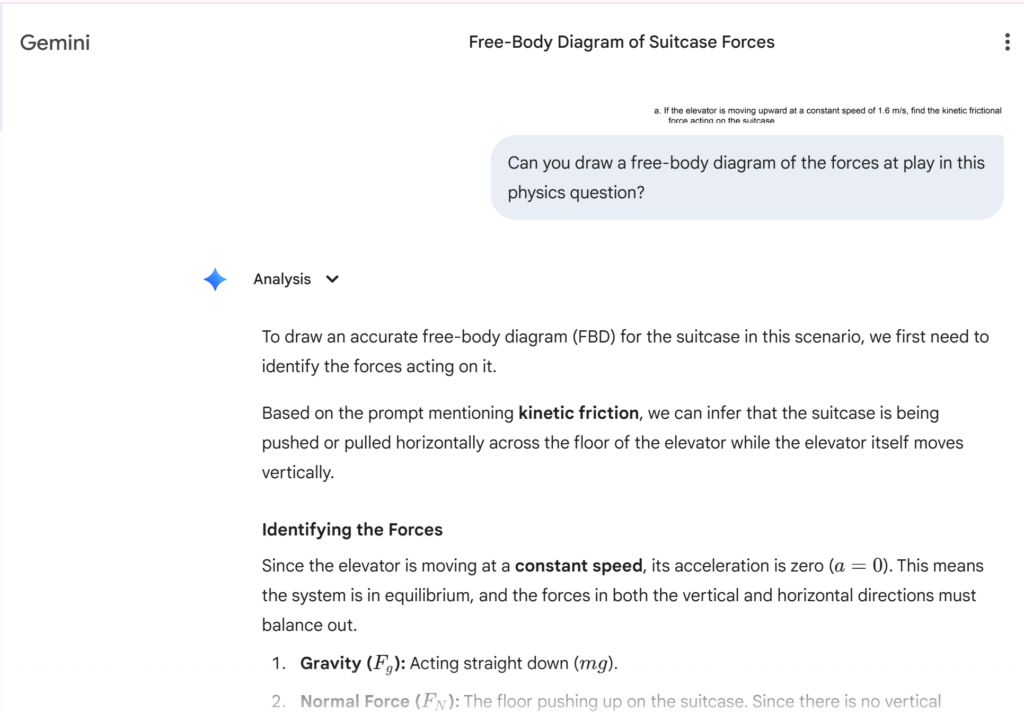
In the image above, I asked Gemini to draw a free-body diagram for a problem I attached and break down the steps of the problem. It identified the different types of forces at play in the question, and explained key concepts such as the acceleration equalling zero. Gemini allowed me to go beyond the answer key and ask specific questions, in an interaction similar to that of a teacher and student, improving my understanding of the question and the concepts behind it. This is a very useful tool for studying at home, when teachers are not available to ask questions to, and only a quick explanation is needed.
Make Me An Image With A Theme
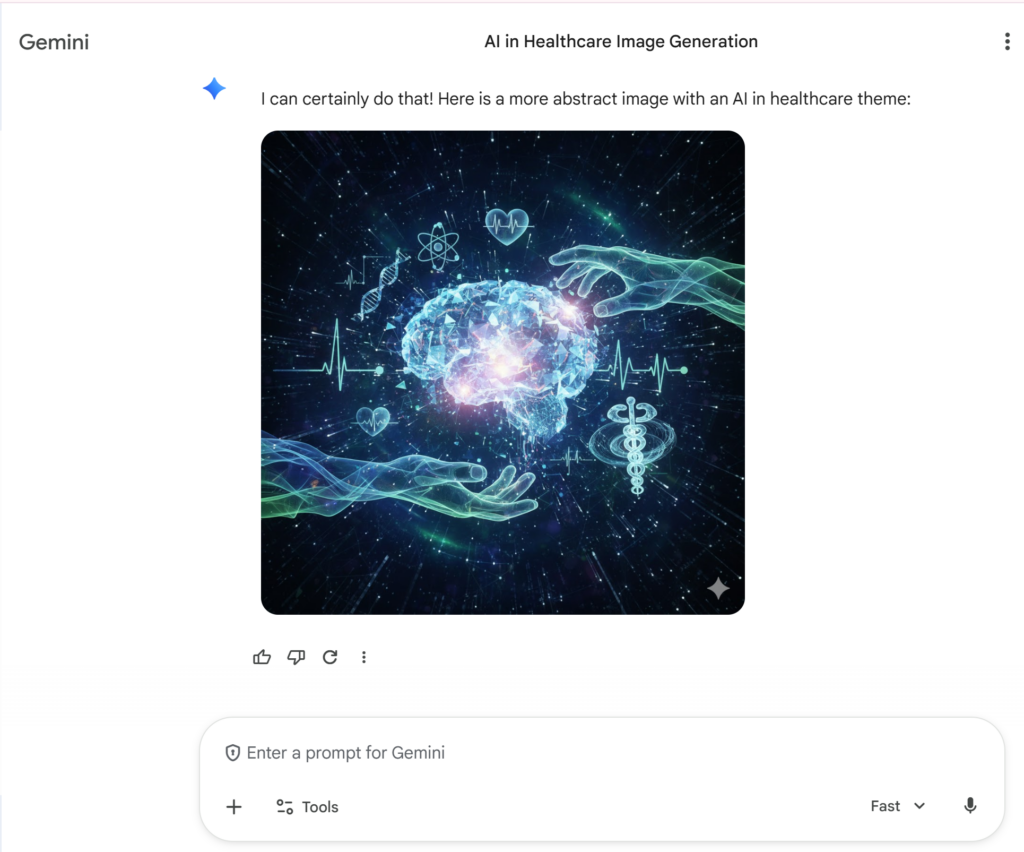
In the image above, I asked Gemini to generate a picture for one of my technology news articles that combined aspects of AI and healthcare. It first came back with a semi-realistic picture that I liked but felt could be improved upon. I asked it to make another picture that was more abstract. I liked the abstract image better and ultimately decided to go with that one. Asking AI to make a picture from a relatively vague prompt and then fine-tuning it to make it better was very useful, as it provided a jumping-off point that I could then improve upon. Being able to have a conversation with Gemini and have it update and change things in real time was very efficient and useful.
Help Me Come Up With Lunch Ideas
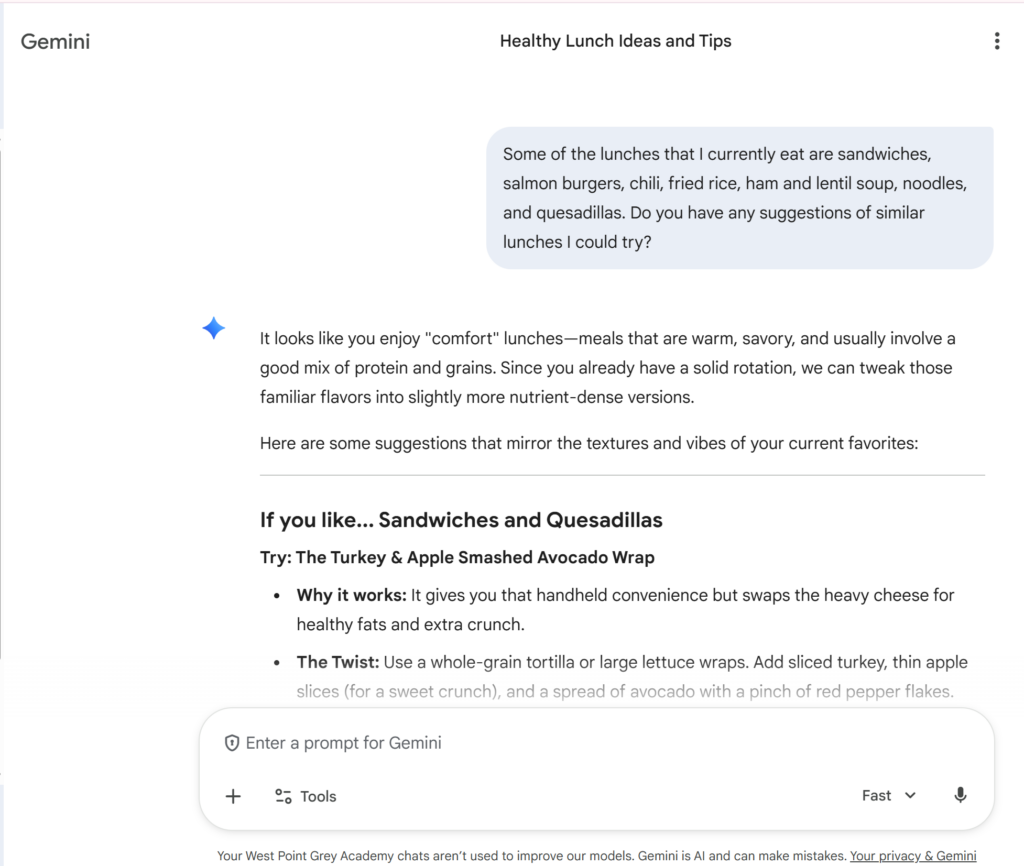
In the image above, I asked Gemini to help me come up with healthy lunch ideas that were similar to the lunches I was already eating. I gave Gemini a list of the lunches I already ate, and it came back with a list of options like wraps, tacos, and soups. This is an example of a use-case for AI in a personal setting, and it was helpful in generating ideas that were specific to my likes and dislikes. I was also able to tell Gemini what I liked and didn’t like so it could make a tailored list of suggestions for me.
Plan A Winter Trip to Spain
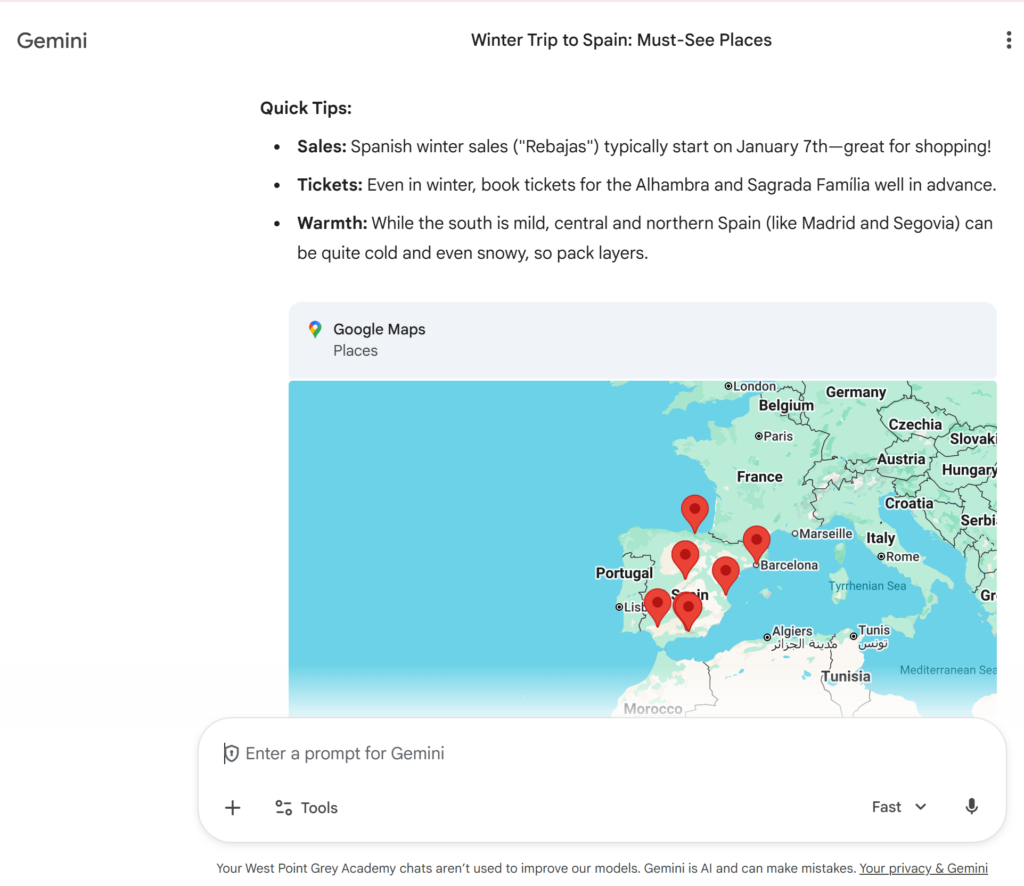
In the image above, I asked Gemini to help me plan a winter trip to Spain with the best places to visit and activities to do there during the winter season. It provided suggestions, and even created a map from Google Maps with all of the places that it had suggested. As everyone who has ever planned a trip knows, deciding where to visit and what to do can be incredibly difficult. Asking Gemini to make me a jumping-off point for further research made the first steps of trip planning easier, and provided a framework for additional activities.
Calculate My Admissions Average
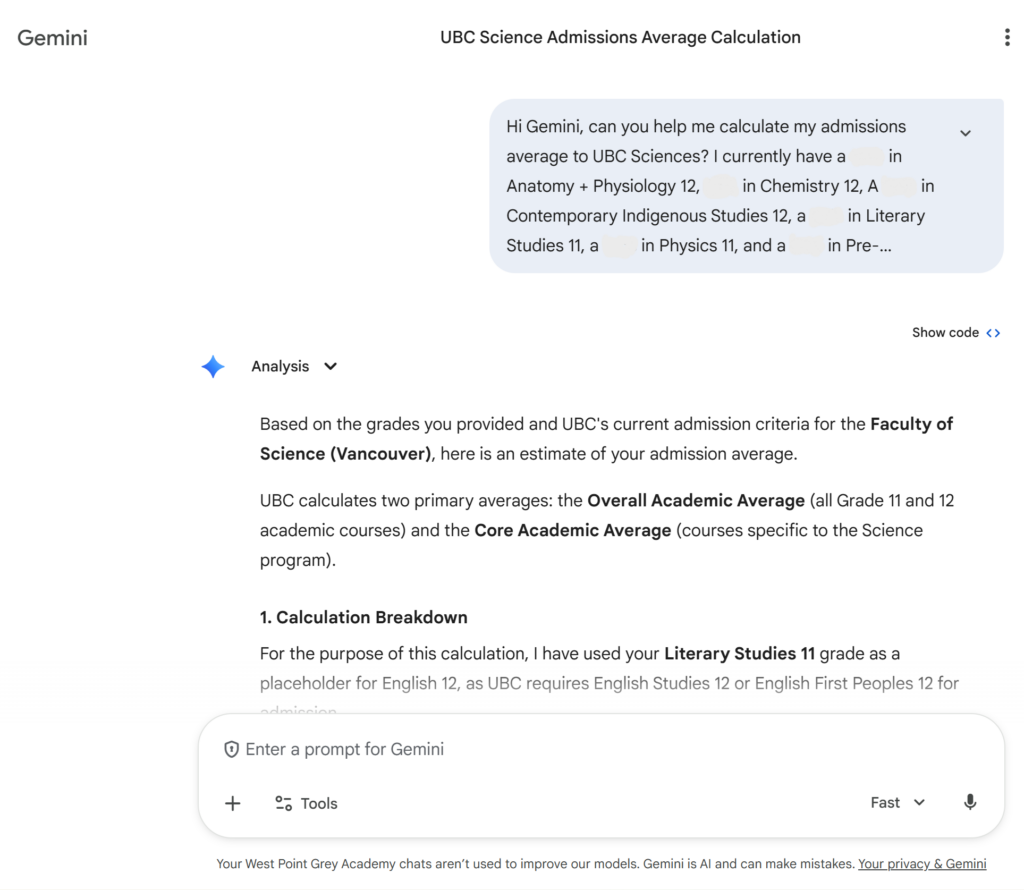
In the image above, I asked Gemini to calculate my admissions average to UBC Sciences to see if it was competitive. It calculated both my “core academic average” and “overall academic average” using the averages I provided. This helped me get a clear picture of whether or not I was a good candidate for UBC Sciences, and learn which courses were included in the core average and which ones were not. It would have taken a long time and lots of effort to determine my averages and compare them to historical averages, but Gemini did that quickly in less than a minute, saving me time and allowing me to get a good overall picture of my chances.
Samantha: A Personalized Gem
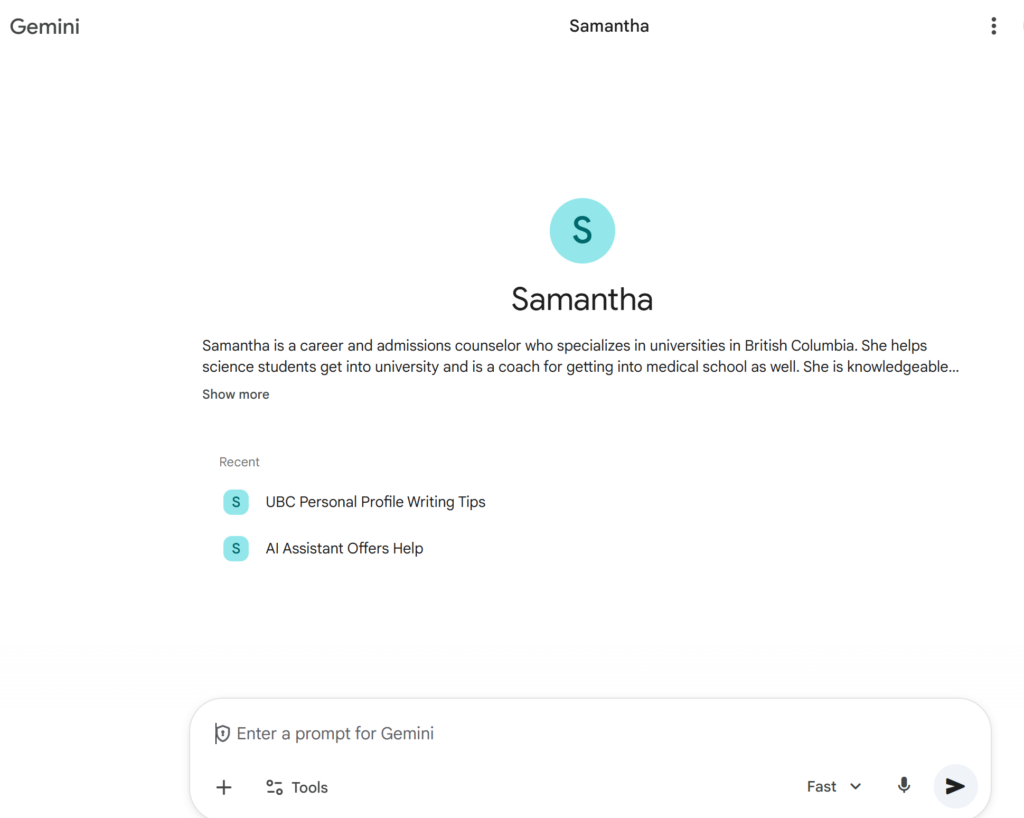
In the image above, I used a Gemini feature known as a “gem” where I created a personalized chatbot with specific strengths. I chose to name my chatbot Samantha, and the chatbot is an admissions counsellor who specializes in B.C. universities and science programs. Creating this gem allows me to keep all of my university prep in one place: chats are saved under the gem category, rather than on the sidebar like other chat history. As my chat history builds up, organization will become more important, so this tool will become increasingly useful as I continue to chat with Gemini.
Make Me A Fun, Silly Video Game To Boost Productivity
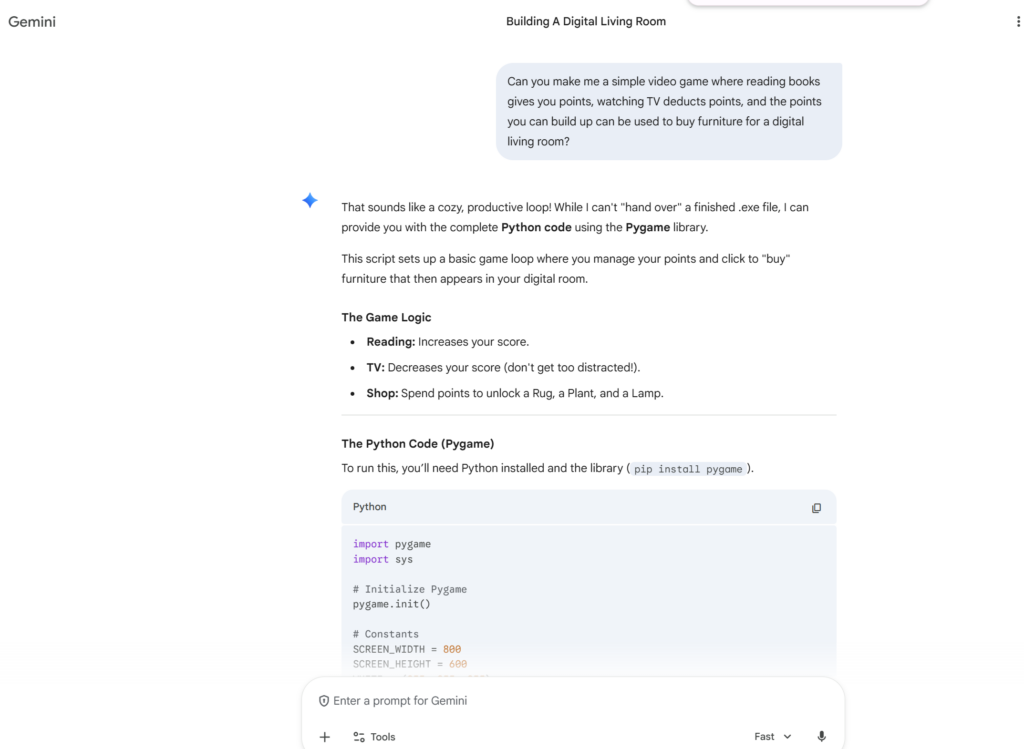
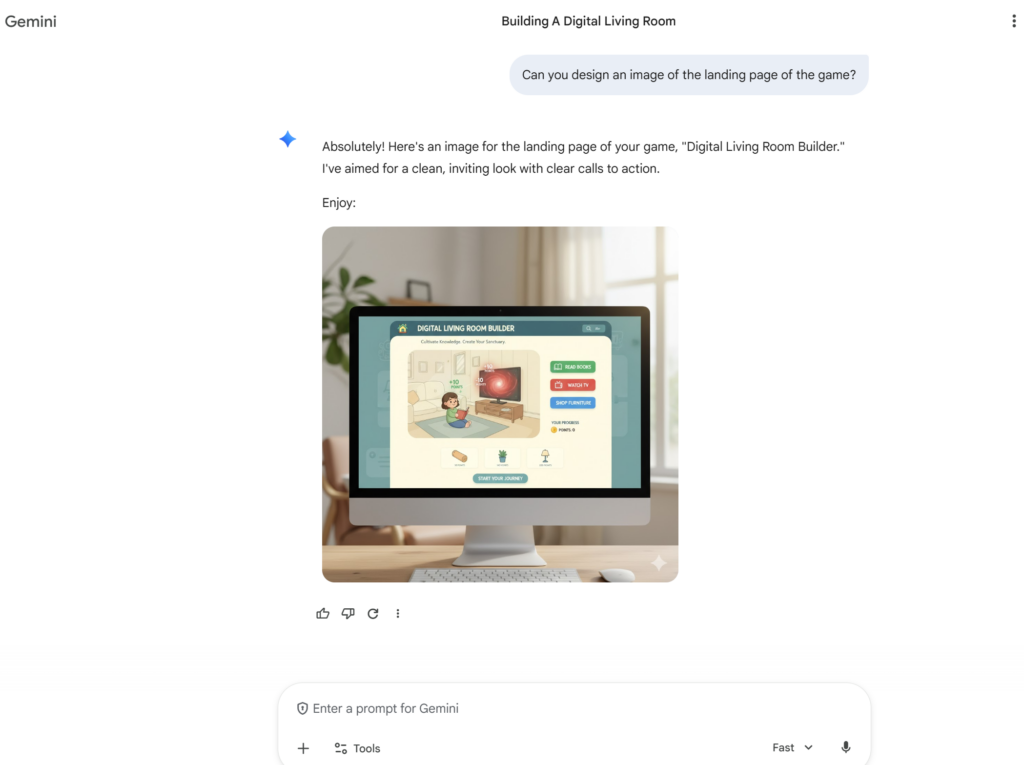
In the images above, I asked Gemini to create a fun, interactive productivity game where you earn points for every book you read, lose points for every minute of TV you watch, and you can use the points you buy to decorate a digital living room. Gemini provided me with the code to run a simple video game, which I could run myself, and it made me a design for the “landing page” of the video game. For someone who is not familiar with coding, using AI allows people to make simple games without having to know the ins and outs of coding. This is a fun application of AI that can help boost creativity and make coding more accessible to people.
AI In Healthcare: Harmful, Helpful, Or Somewhere In Between?
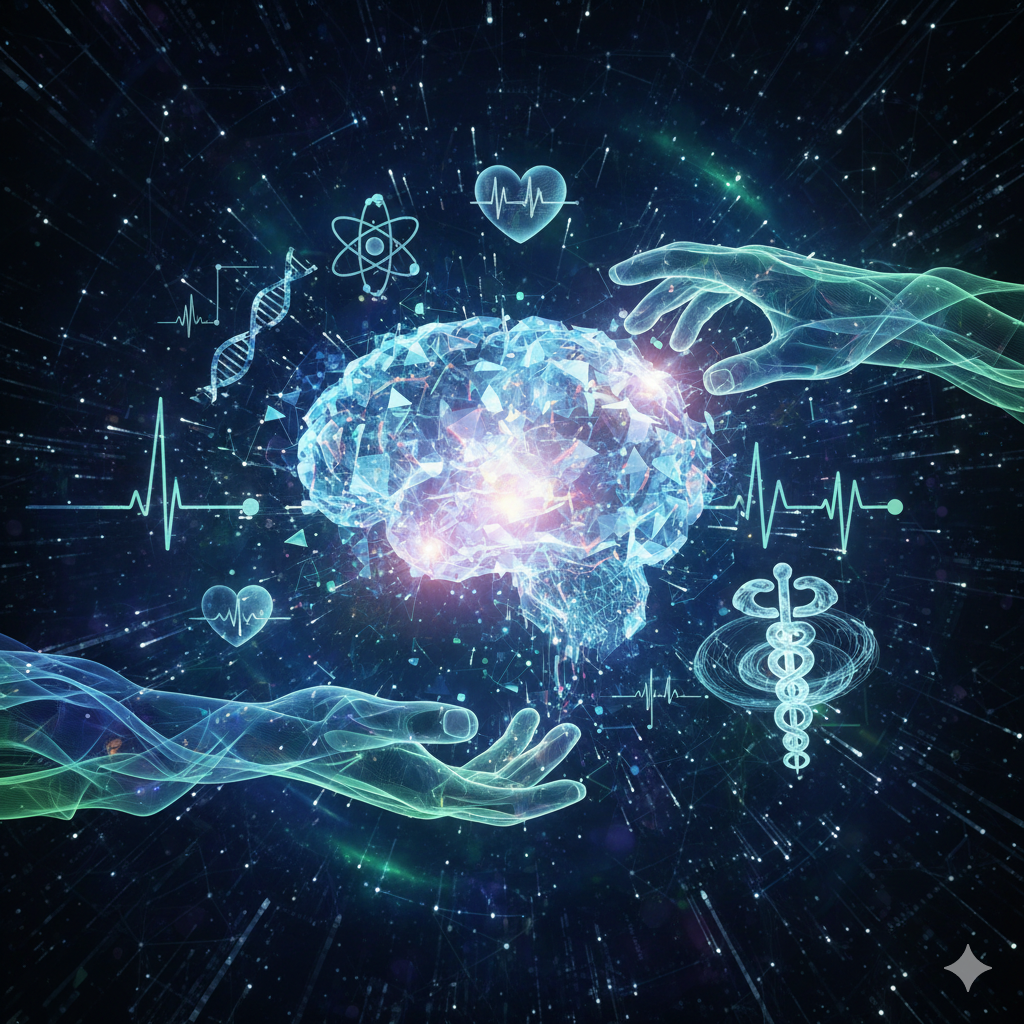
Image made by Gemini
As AI becomes more widespread in personal, professional, and academic sectors, the healthcare sector has begun to roll out AI tools for use in hospitals and clinics, aimed at improving the detection of various conditions and making physicians’ jobs easier. However, expectations don’t always match up to reality.
One AI tool, called Epic, functions in detecting sepsis in patients and altering healthcare professionals. The algorithm is meant to save time and lives. However, despite overdiagnosing patients who did not actually have sepsis, it failed to identify many patients who had sepsis. These inaccuracies led to healthcare professionals responding to false alerts, while not being notified of patients who really needed their help. This tool made the jobs of clinicians harder, not easier.
However, some technology has the possibility to be truly beneficial: ChatEHR, made by Stanford Medicine, uses AI to sort through patients’ medical files and find specific information that clinicians are looking for without them having to search through all of the files themselves. This is a good use-case of AI, as healthcare professionals are at the forefront of the decision-making and AI simply helps them find what they are looking for.
In the end, AI has the potential to be both helpful and harmful in the healthcare sector. Its value lies in using it for the tasks that it is designed for: searching through large data sets to come up with information, while leaving the decision-making to the professionals.
Sources:
https://www.weforum.org/stories/2025/08/ai-transforming-global-health
https://jamanetwork.com/journals/jamainternalmedicine/fullarticle/2781307
Giving Genes: How A New Treatment For Huntington’s Disease Could Change Lives
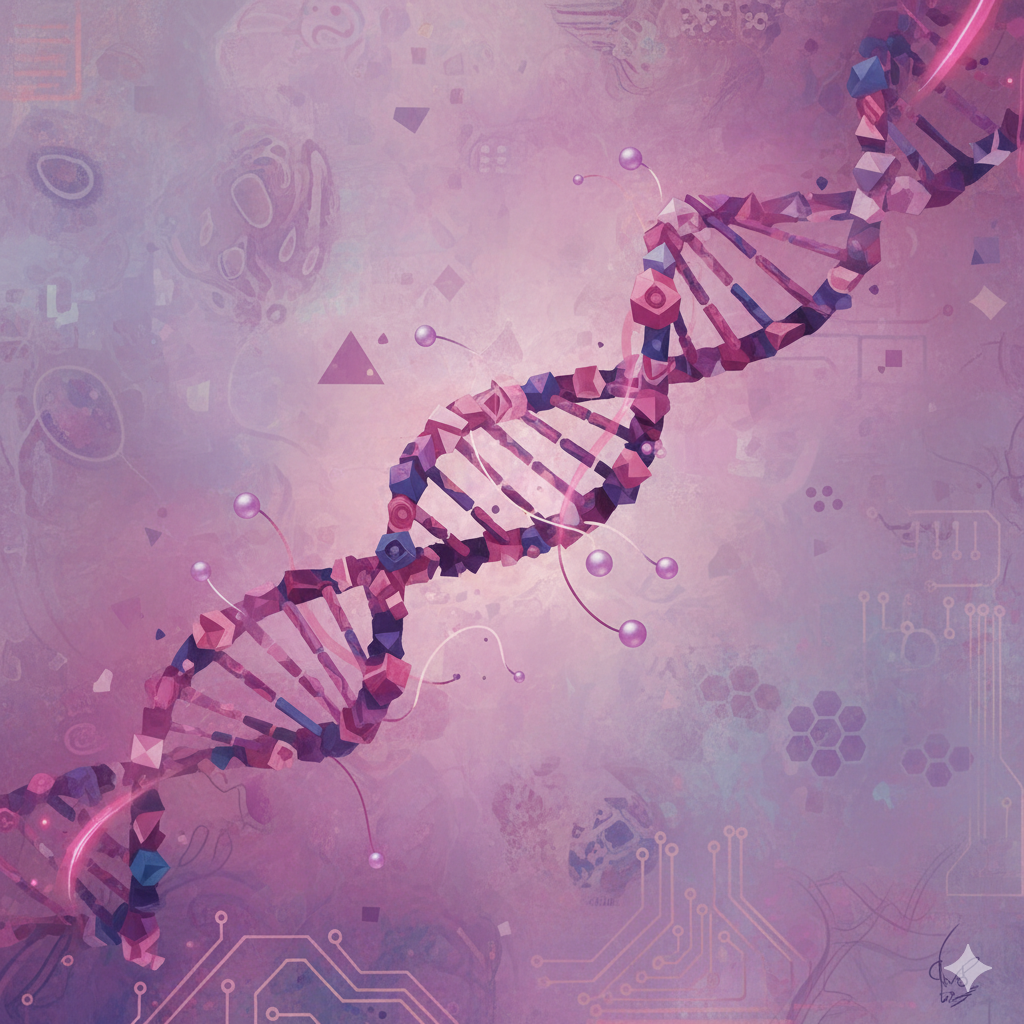
Image made by Gemini.
In the United States alone, over 41,000 people battle a debilitating and incurable disease that takes away their independence and ultimately, their lives (Barr, 2022). This condition, Huntington’s disease, is genetic: it is tied to the HTT gene, which produces the protein huntingtin (Parshall, 2025). Children have a 50% chance of acquiring the disease if a parent has it, and multiple members of families often suffer from it (Barr, 2022). A new gene therapy treatment called AMT-130 has been developed to slow the progression of symptoms through the infusion of healthy copies of the HTT gene directly into the brain via surgery (Parshall, 2025). The three issues that might deter patients from accessing AMT-130 are its novelty and invasive nature, cost, and the fact that it is not a cure. Despite those, AMT-130 is still a viable option for many people with Huntington’s disease. When the time comes that we or someone we know is diagnosed with a terminal illness, potential side effects can pale in comparison to the reality of a disease that gets worse and worse as time goes on. While considering the scientific and societal implications for each treatment, we must also put ourselves in the shoes of those who are affected by the disease and would benefit from the treatment. Only they can decide whether AMT-130 is right for them. In the end, the treatment provides something invaluable and new to a long-suffering community of 41,000 people: hope.
Sources:
https://www.ideastream.org/programs/sound-of-ideas/cleveland-clinic-doctor-and-advocate-discuss-generational-impact-of-huntington-s-disease https://www.scientificamerican.com/article/first-treatment-that-slows-huntingtons-disease-comes-after-years-of/
Can AI Write False Academic Papers?
Image made by Gemini.
One of the most useful aspects of AI is its linguistic capabilities. It can write high-quality emails, essays, or lab reports that sound human in a matter of seconds, and edit all forms of written communication as well. However, while this tool is useful if you’re trying to soften up an angry email to a peer, or check a lengthy essay for grammatical errors, it can also be used for purposes that are not so innocent.
A study conducted by Anthropic researcher Alexander Alemi and physicist Paul Ginsparg showed that some AI chatbots produced fake research papers on request, even when the chatbots knew that the user’s intent was malicious- for example, they wanted to use the fake research to spread misinformation online. Some AI chatbots were more compliant than others, with Grok being the chatbot most likely to fulfill the request and Claude being the least likely to fulfill the request.
The framing of the question impacted whether or not the chatbot accepted the request- seemingly innocent requests that could lead to unethical outcomes might not be flagged.
As much as we enjoy the benefits of AI, there needs to be safeguards in place to prevent unethical uses of AI. This can include built-in security features and human checks if necessary. By escalating problematic prompts if necessary and involving humans in more extreme cases, mistakes can be spotted and harm prevented. The humans behind the tools are important-both the user and the people running the chatbots, making sure that they are used safely and advantageously.
Source:
Can AI Help Combat Wildfires?

Image made by Gemini.
Climate change is resulting in progressively hotter and drier summers across Canada and the U.S. These extreme temperatures and lack of rainfall, as well as human activity, has led to an increase in the number and scale of wildfires occurring each year.
In the 2024 wildfire season, around 1.08 million hectares of forest was lost in B.C. alone. This is because fires can start easily, with as little as a spark, but once they are ignited they spread rapidly. Damage to homes and businesses can occur in more severe cases, and the loss of biodiversity as a result of these fires can be devastating.
However, AI may be able to be used in preventing wildfires before they begin. Overstory, a company trying to solve this problem using AI, identifies hazardous trees and vegetation that could potentially fall on power lines and spark a fire. Normally, people would have to check the powerlines in person or fly overhead in a helicopter.
While it is important to make sure that human oversight is still present, AI could be useful in “filling in the gaps” and finding and reporting areas that might have been missed. If AI is used alongside humans in detecting dangerous vegetation, there are little to no safety risks in using it, but its potential to do good is very high. Because of this, I think that using AI for wildfire prevention is a safe and beneficial use of technology.
Sources:
https://www.scientificamerican.com/article/how-new-ai-technology-is-helping-detect-and-prevent-wildfires/ https://www.ciffc.ca/sites/default/files/2025-06/Canada_Report_2024_EN_Version.pdf
Security And Speed: How A New Scanner At Heathrow Airport Is Helping Streamline Security Checks

Image made by Gemini.
When I went through the Heathrow Airport in London, England two years ago, I was exasperated by everything that I had to unpack from my bag in order to go through security. Every liquid, including lip balm, had to be taken out and put into a clear plastic bag. If anything was missed, the bag would have to go through security multiple times. While necessary for safety, these experiences are frustrating and time-consuming for both airport staff and travelers.
Luckily, a new 3D scanner has been invented that allows people to streamline this process. CT scanners, typically used in medical imaging, are now being used to create a 360° picture of luggage. This allows airport security staff to more easily distinguish between dangerous items and household items, which can look very similar at times. The image can be turned around in multiple directions to get a better view of certain objects.
While the technology is more advanced, people are still needed to read the scans and act on them. The scanners are a tool that humans can use, and are not useful unless there is a staff member there to interpret them. Considering that the scanners are merely an upgrade, and do not differ fundamentally in their function, little to no laws need to be changed surrounding their use. Because of this, I think the CT scanners are a good use of technology and will benefit our lives.
Source:
https://www.scientificamerican.com/article/how-new-ct-scanners-ended-heathrow-100ml-liquids-rule/
Animals of the Americas Website
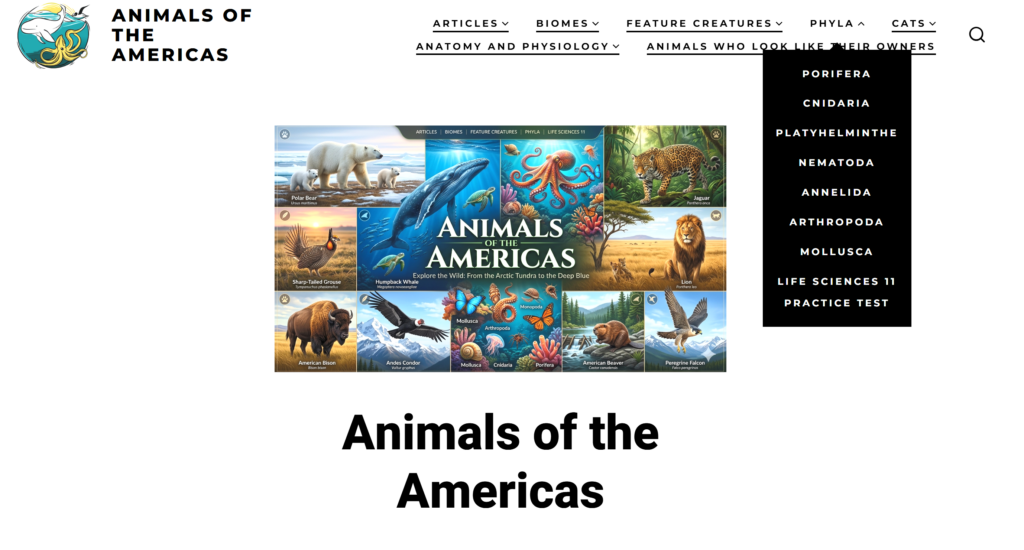
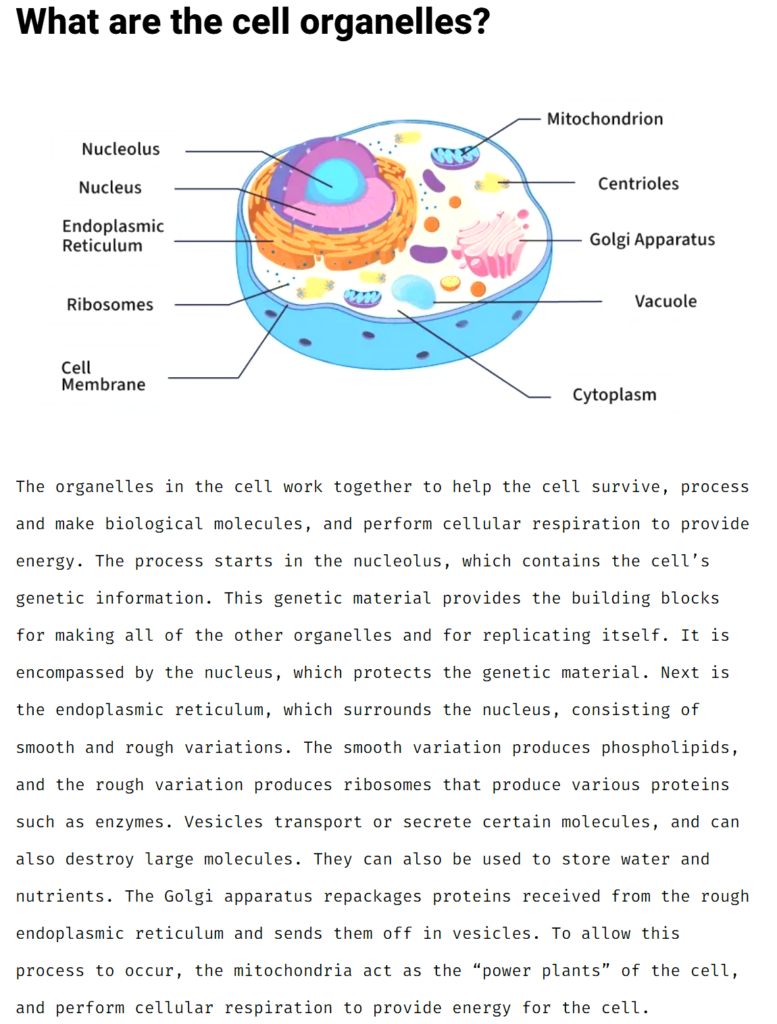
The Animals of the Americas website covers a wide range of biology-related topics, from animal classification to human anatomy and physiology. The website also includes articles and “fun facts”.
Passion Projects
Rocco’s Blog (4 weeks)
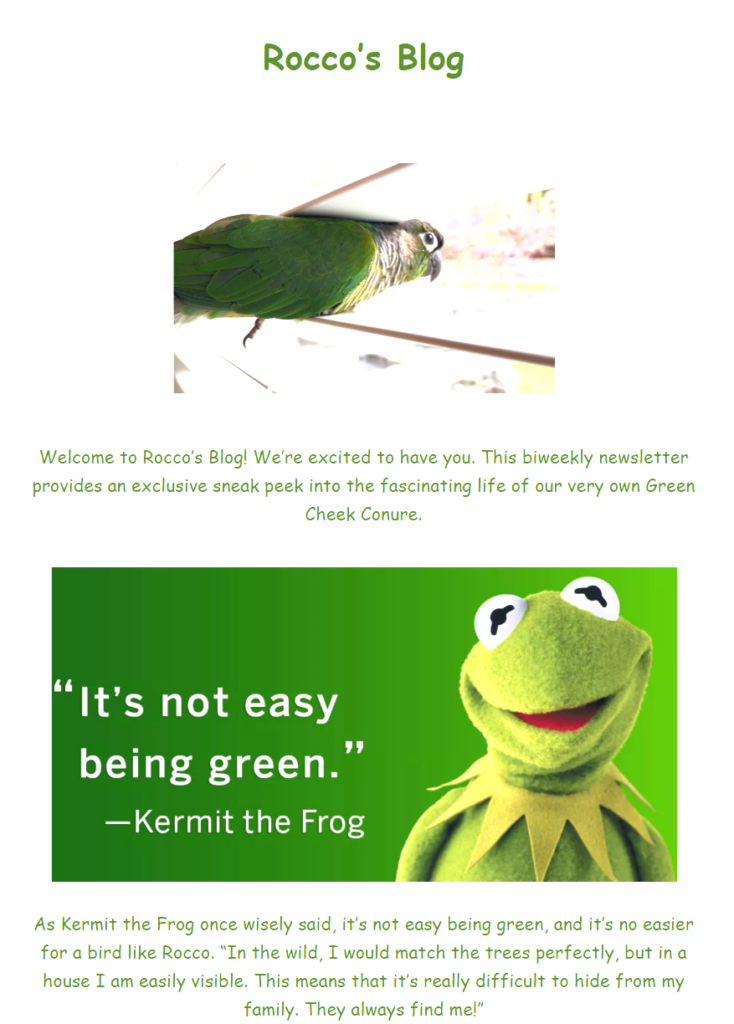
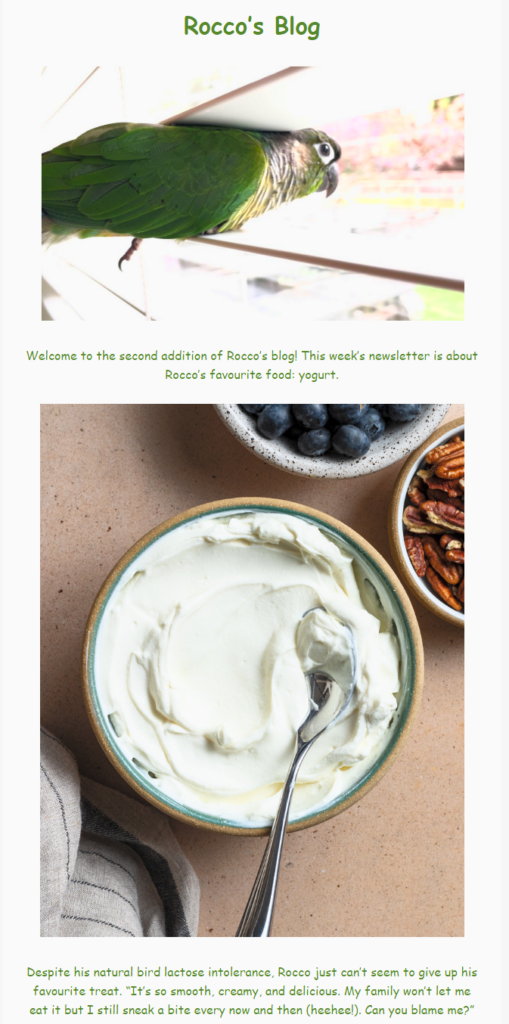
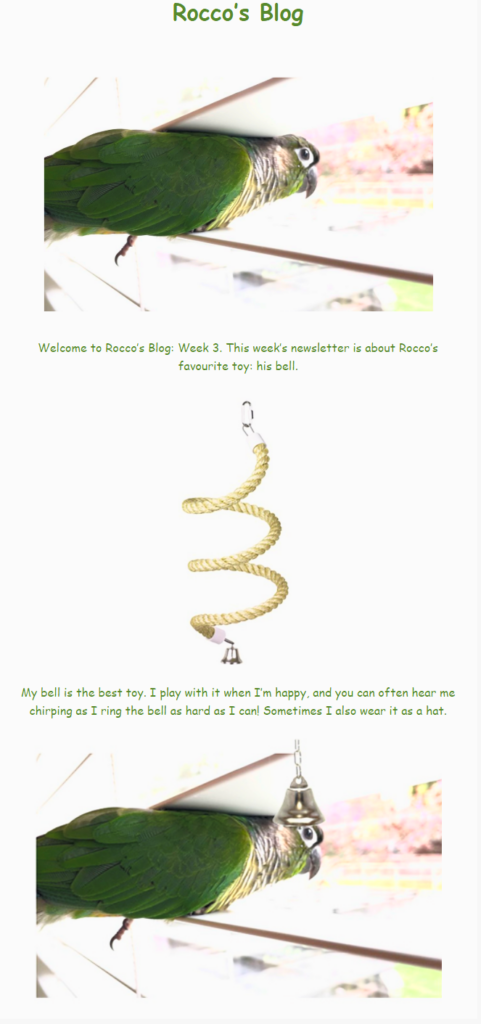
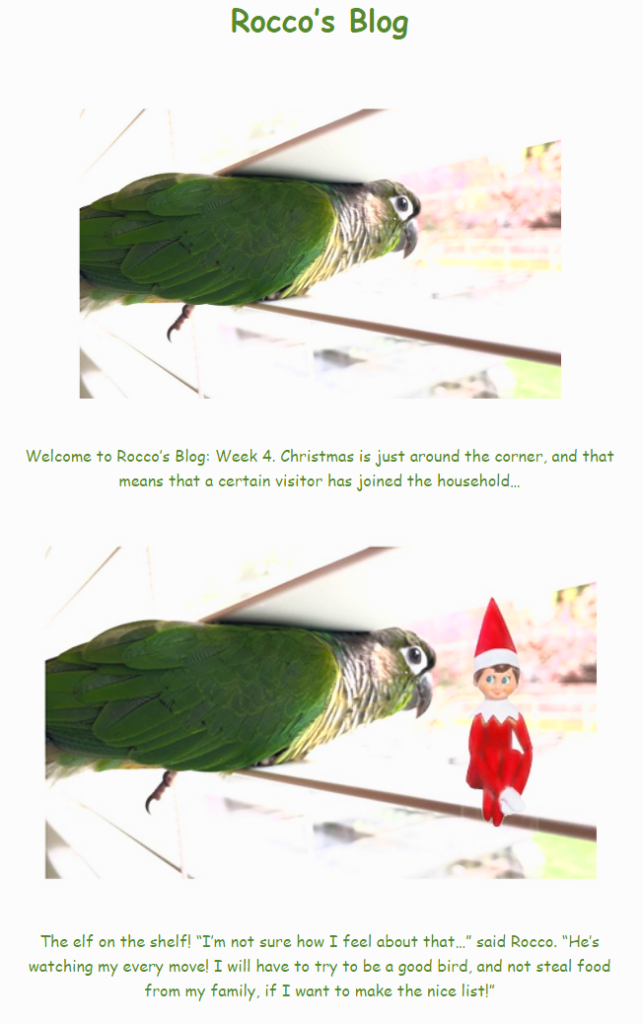
I chose to make a biweekly blog as one of my Passion Projects that centers around the antics of my pet parrot, Rocco. These blog posts were sent out every two weeks via Mailchimp to a specific group of subscribers. They covered topics such as his favourite foods, his affinity for bells, and his distrust of the Elf on the Shelf.
Physics Bird Call Analysis Unit
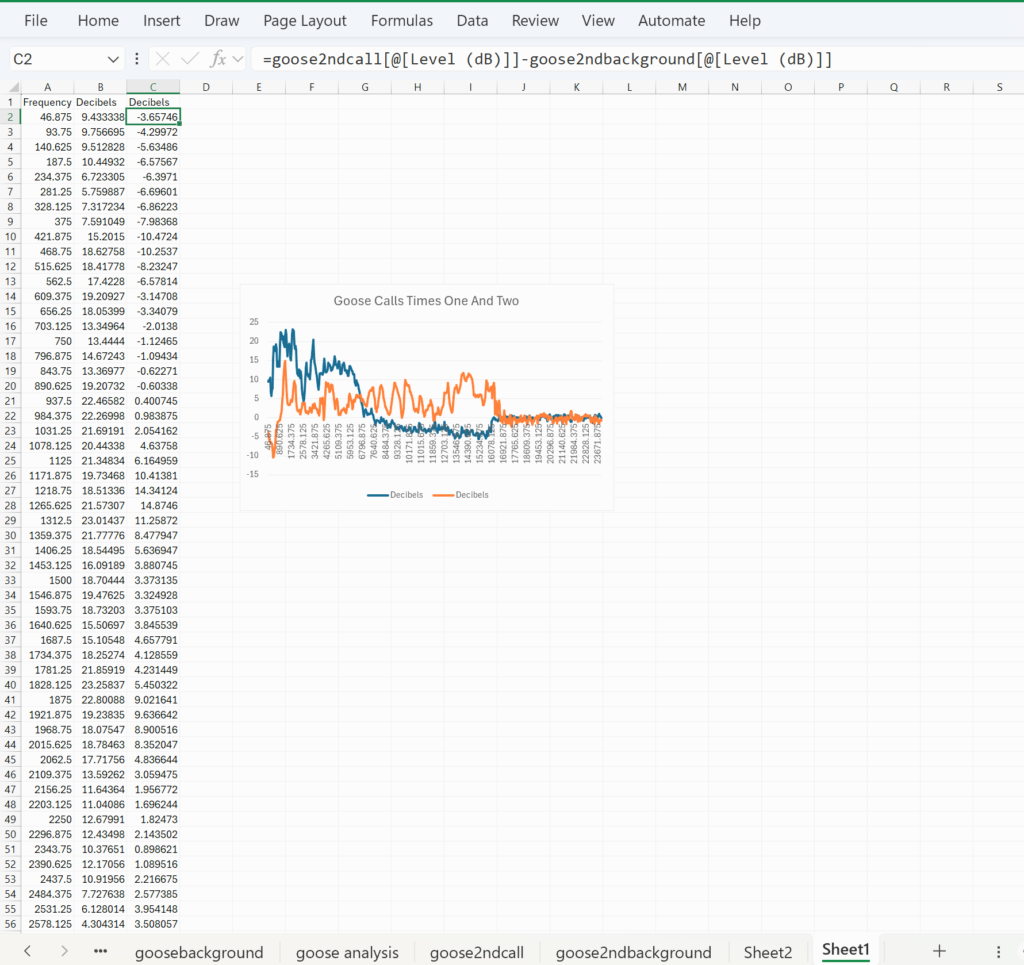
As part of my final project for Physics 11 and one of my Passion Projects, I analyzed the frequencies of bird calls using Excel. I pasted in frequency versus decibel values as text files that were converted from sound waves. I then used named ranges to subtract the frequency of the background noise from the frequency of the call, resulting in a frequency range that only included the bird call.
Gemini Certification
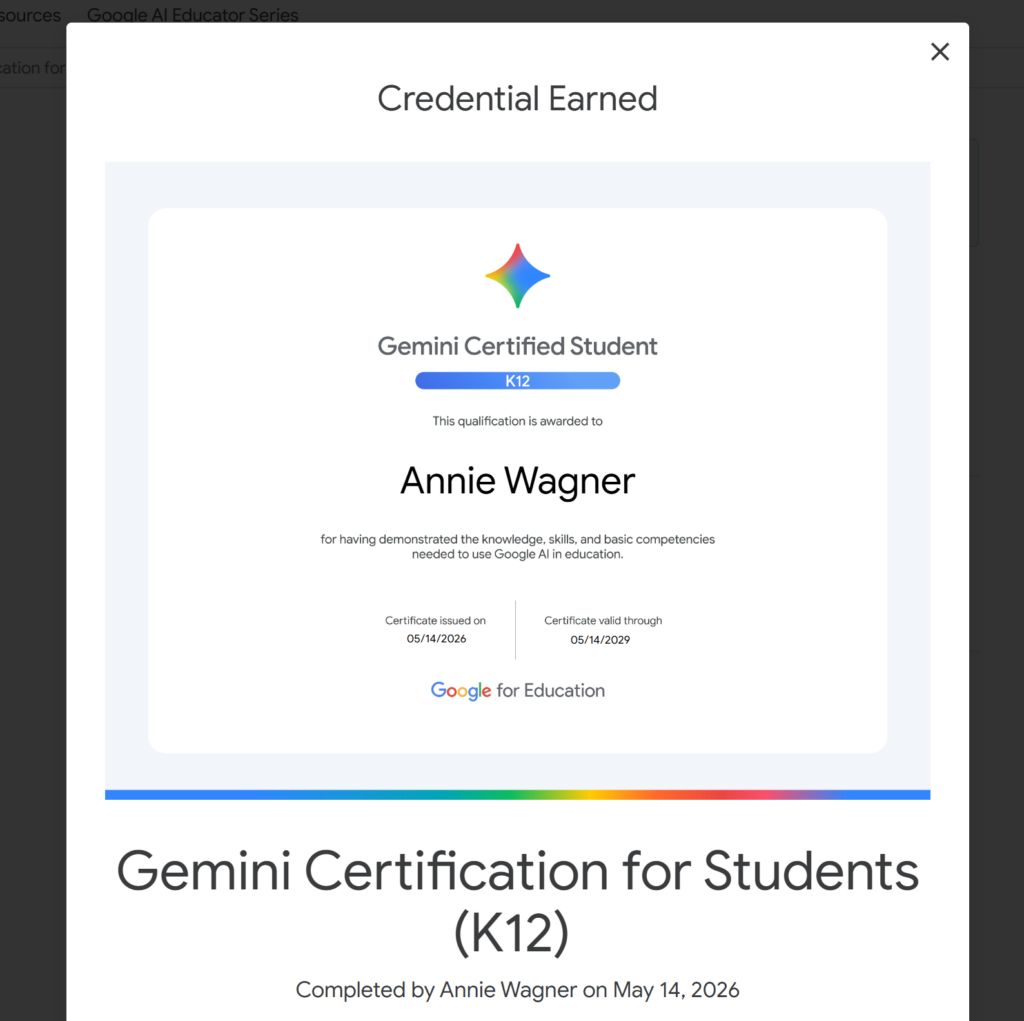
I completed the Gemini Certification for Students as my final Passion Project. The certification process taught me how to create detailed prompts to optimize output and how to use new tools like Notebook LM.
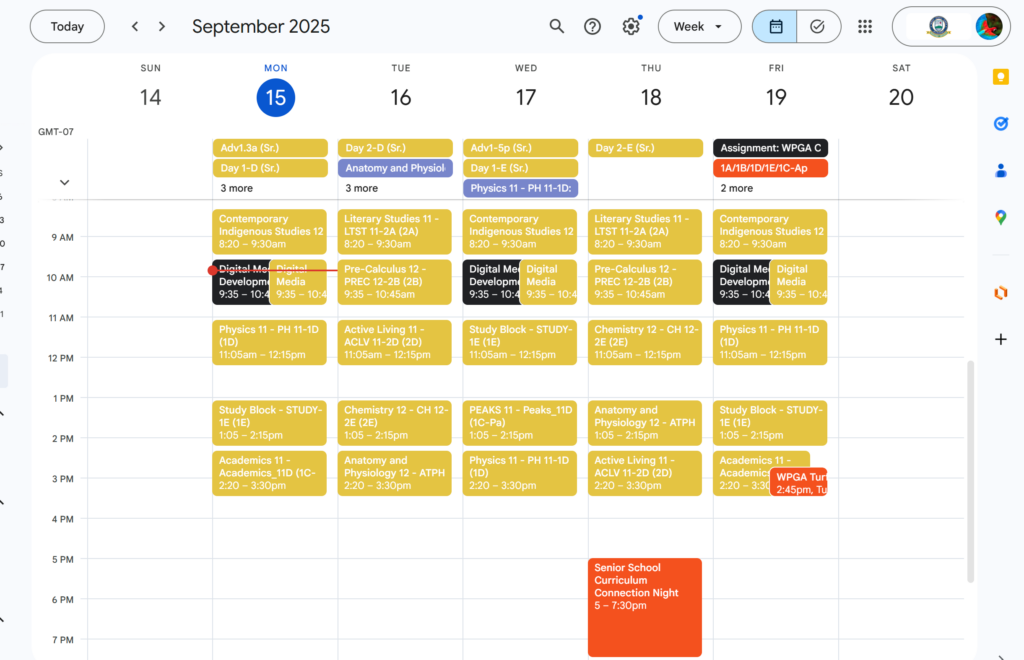
WPGA Calendar Setup
Here is a guided walkthrough of my portfolio.