Anna's Portfolio DA9
OBS Recording:
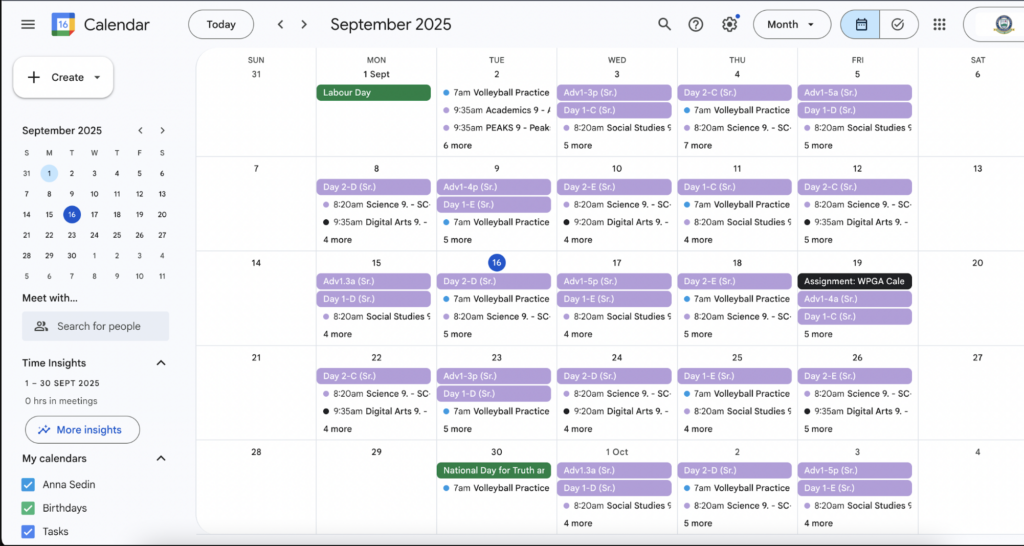
WPGA Calendar Setup:
Halloween Group Project:
Movie
Poster
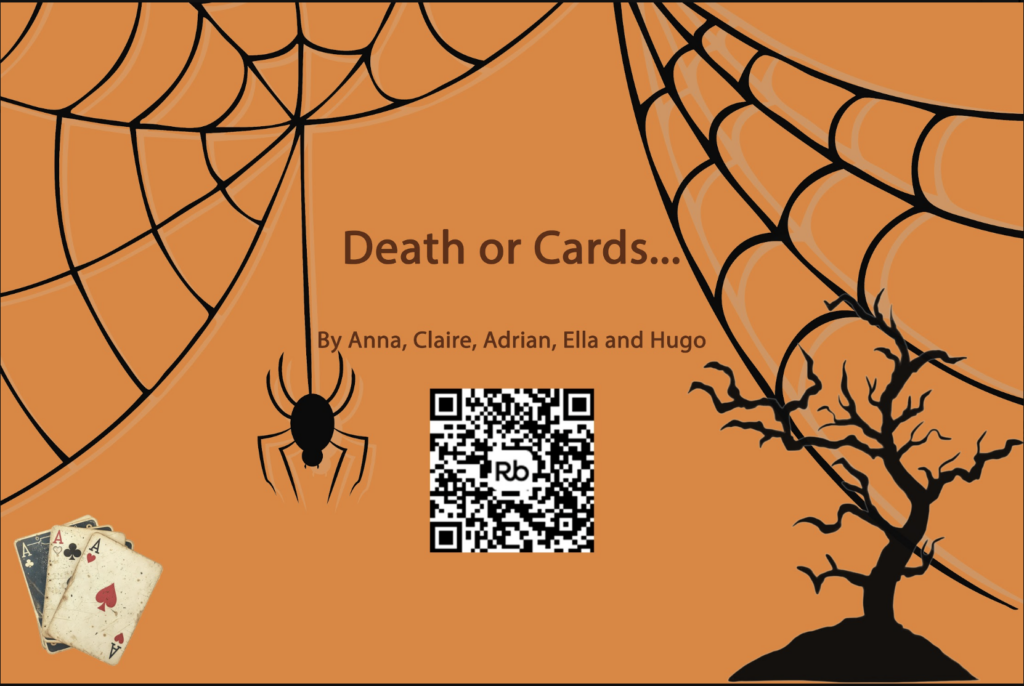
Trailer
Christmas Motion Capture & Video:

NHL Prediction Slideshow:
AI Exploration Unit:
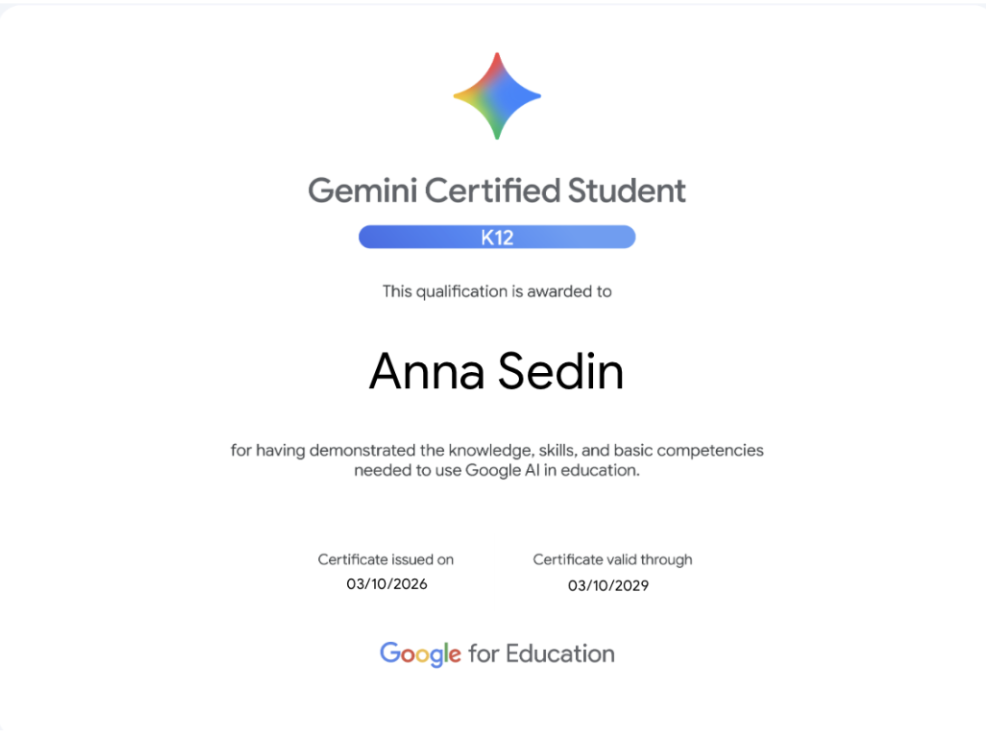
The gemini Ai course is a tool where users can get taught about ethical and effective Ai uses. It teaches prompting techniques, productivity appliances and understanding all of the Ai capabilities. I believe that this is a good tool for myself to be able to use this application as a way to benefit myself and my learning. This is a link to google gemini –
Chat GPT is a conversational Ai tool that users can discuss ideas and topics with. It can explain topics, summarise notes, make practice tests and ask questions to strengthen one’s knowledge. Students can use Chat GPT to help them gain knowledge by making practice questions, summarising notes and discussing a bunch of different topics with the student. This tool can not replace a student’s critical thinking by writing original texts or any other original work. This is a link to this helpful tool –
This Ai tool can help summarise long or short documents and allow the user to understand it in more depth. Sometimes students will have a lot of homework and won’t always know how they are supposed to complete them. By using this tool the student can be more accurate and confident with the work they do in the document. This tool is not used to do the work for the student but to explain how to start.
This is a writing tool that can help users check their writing for any mistakes or ways they can improve. It gives feedback without doing the work for the user. Students can use this to strengthen their writing skills and make sure they are writing to the fullest without getting someone to do it for them.
Ai art creators create artworks that are creative and out of the box. Students can use this to design and plan projects or presentations for the student to fill in. A flaw with this is copyright artist rights so that is something to be aware of.
AI systems are being used to help doctors detect diseases such as cancer by analyzing medical images. In the future, Ai could help improve speed and accuracy in the medical field by being able to analyse difficult scans.
A lot of big companies are coming up with new self-driving cars which have sensors and cameras. This tool can reduce car accidents and help people that cannot drive. Having reliable self-driving cars can be a big tool for the future when they are fully developed.
Deepfakes are images or videos that make people appear to say or do something that they are not actually doing. This is used for entertainment but it is a big way that misinformation gets spread. This is used a lot in the media for famous people to trick people into thinking someone has done something they haven’t done.
This Ai tool allows people to input their course outlines and any other additional information for the Ai tutor to create quizzes, notes and articles. This allows students to indulge themselves further in new topics and it’s a way for them to get stronger and more prepared for any assessments during the course.
Governments around the world are creating laws and guidelines to regulate AI development and prevent people from misusing it. This is important because if students only use Ai, their critical thinking skills will start to deteriorate. So, we have to be careful on how students use AI.
Ai assistance is a tool that is being further developed that allows someone to discuss/ask questions to an Ai assistant. Students can use this tool to strengthen their discussion skills while getting ready for any oral assessments or just to get a further understanding.
This Ai tool can translate any sentence or paragraph into other languages. This is good for students who need to translate articles or documents in a language they don’t understand into English. The only thing to be cautious about is that you cannot use this for any language classes (except if allowed by the teacher) if you are translating big sentences.
This tool detects the amount of plagiarism in a paragraph and shows you any errors it has. This can help students check their writing to strengthen their skills and it also allows teachers to check to make sure the students have integrity.
This tool can take any code and turn it into an easy message to read and understand. Students can learn programming and can use this tool to understand Ai programs. You can use this program – https://deepai.org/chat/ai-code
This tool can create music depending on the prompts or music style the user inputs into the program. This can allow students to experiment with different sounds or ways to create music. This program can also be helpful for students in the music courses that can strengthen their knowledge of their course.
This is a tool where users can ask this Ai chatbot any questions about websites, articles or online shopping. These systems save time but sometimes struggle with complex questions.
AI tools can help manage schedules, tasks, reminders and notes for upcoming tests or assignments. Students can use this to keep track of all of their work in their busy schedules and allow them to compile all their notes into one smaller test review package.
Ai in political situations can analyze voter data, generate campaign messages, and sometimes create AI-generated ads or media. This can lead to misinformation being spread around about political figures which can lead people to make important decisions on faulty information.
These Ai tools are helping scientists and space agencies to analyse very large amounts of data from satellites and telescopes. Ai can take information and efficiently/accurately turn it into ways to improve space technology.
Artists, musicians, writers, etc are starting to worry about Ai taking their work and using it for the Ai’s data. There are legal cases happening right now because of this problem and they are trying to enforce new systems to stop copyright violations.
Google Gemini Certificate: